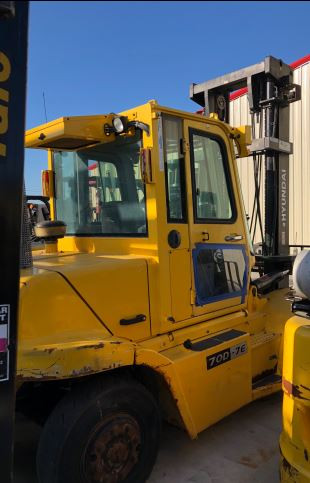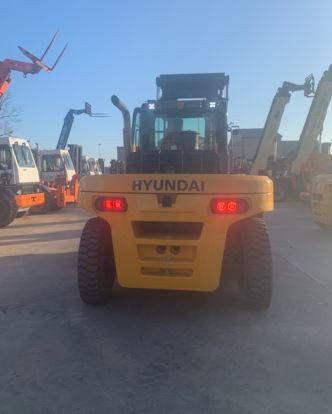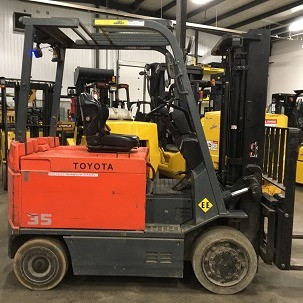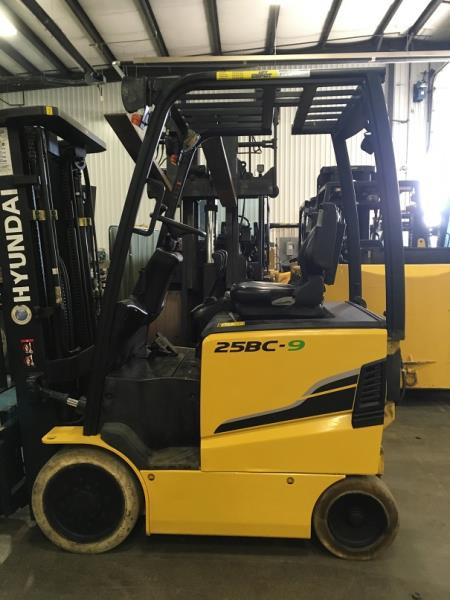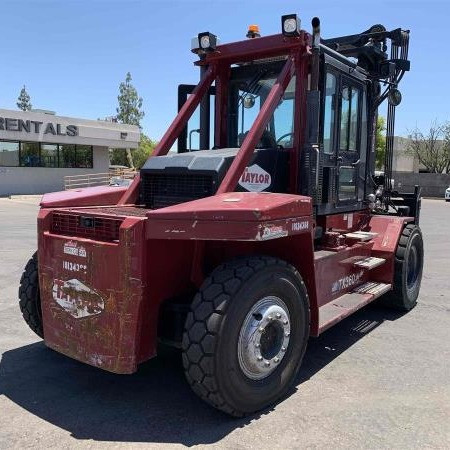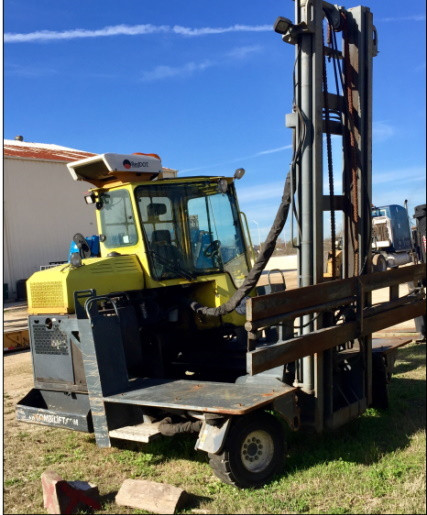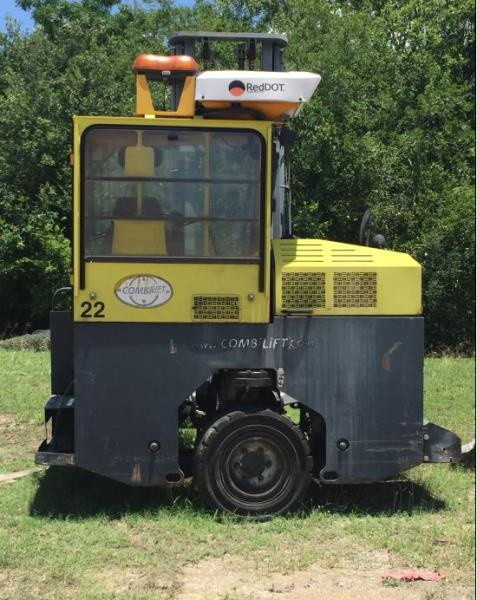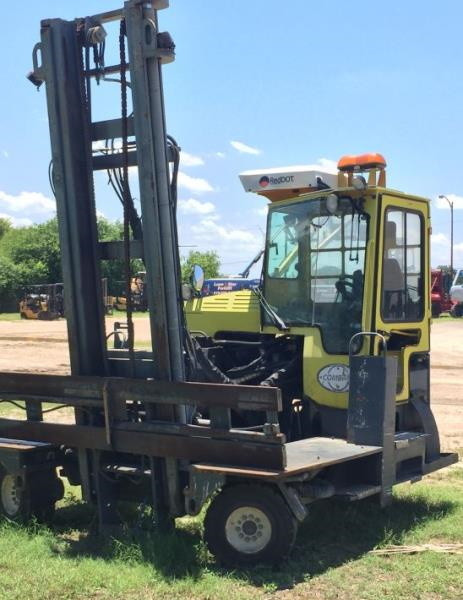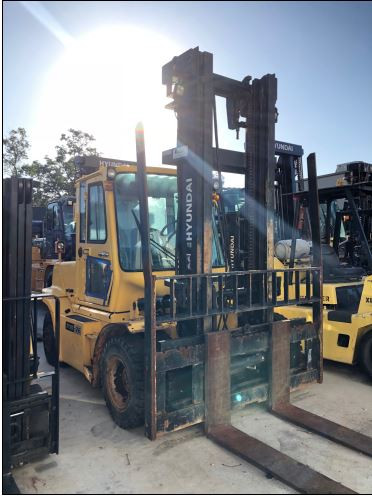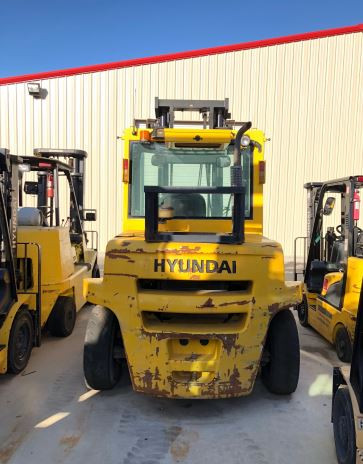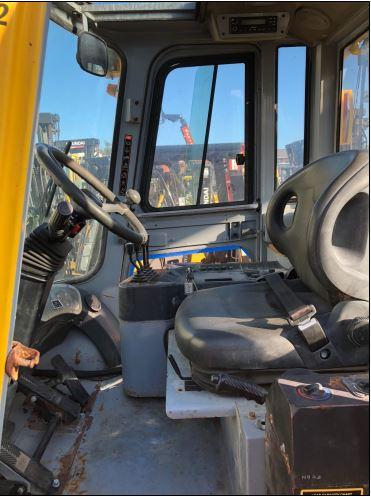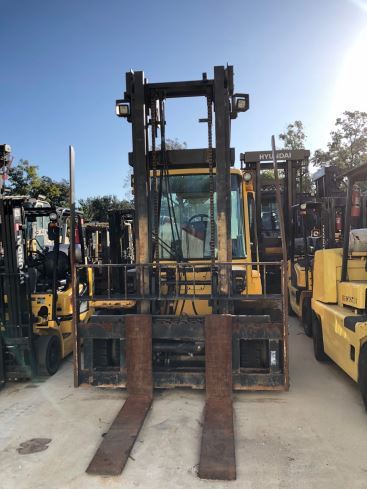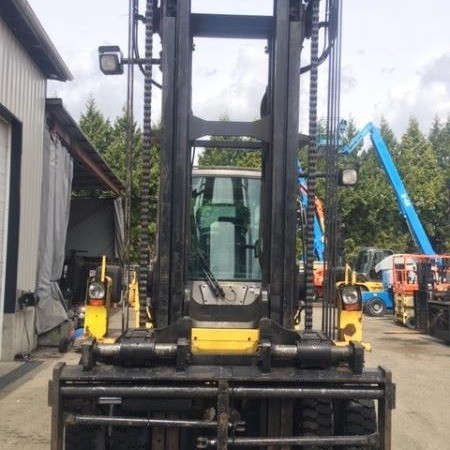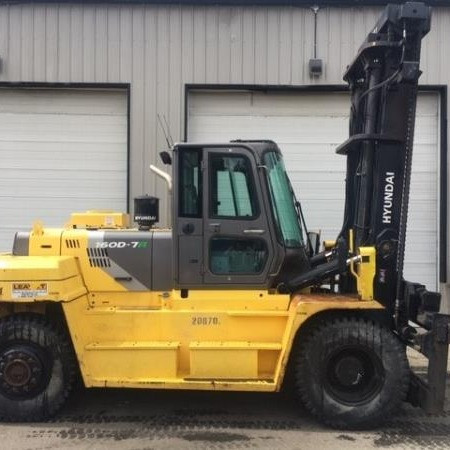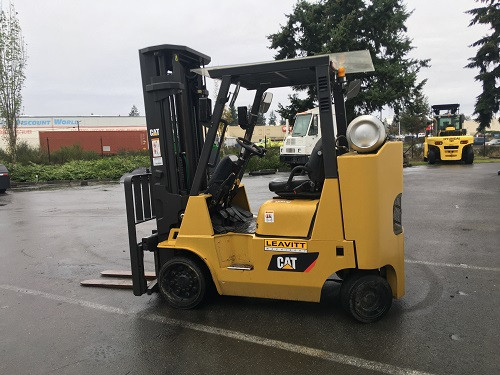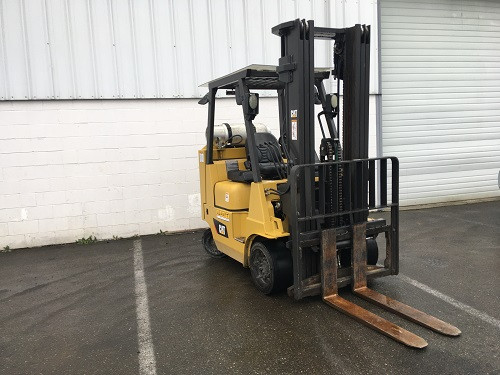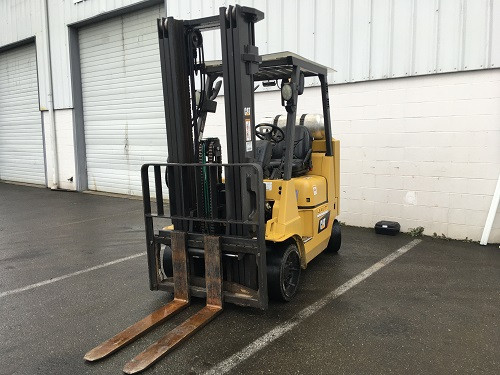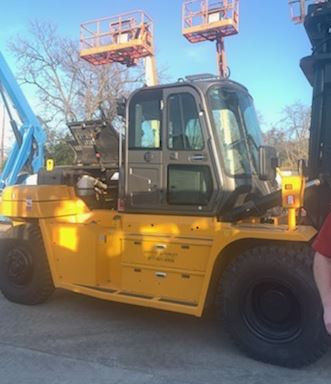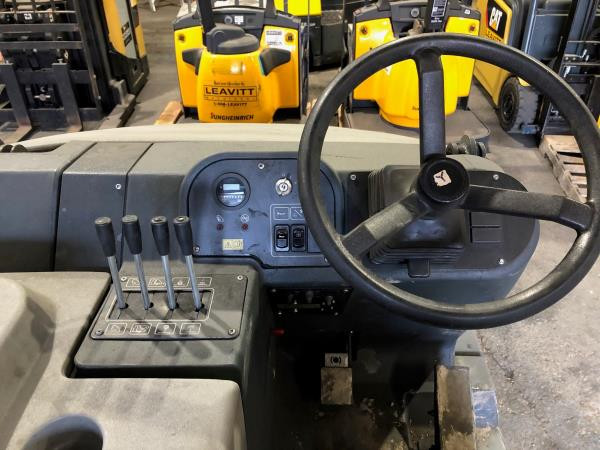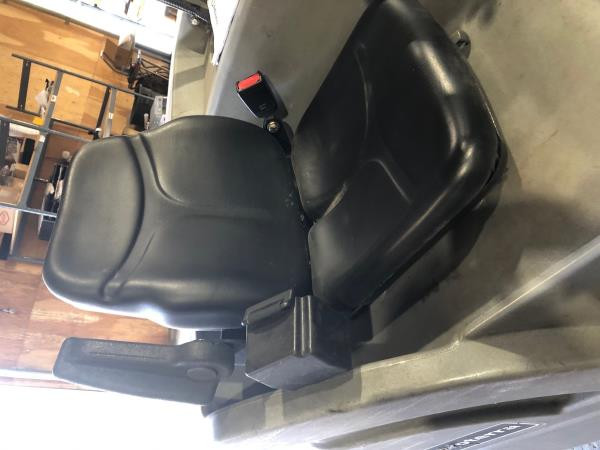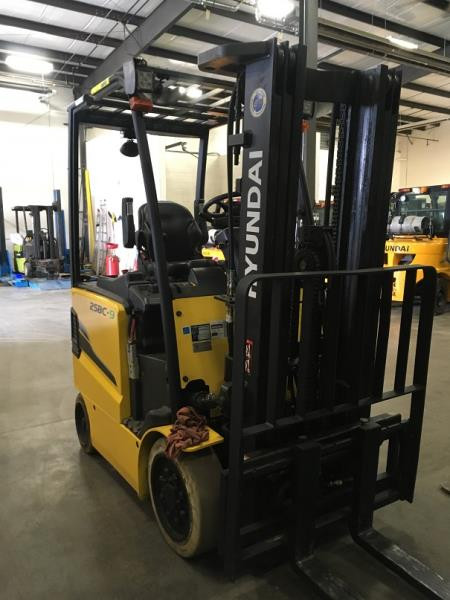

Used Forklifts Santa Clara - Forklift drivers are working within warehouses and factories to transport materials from one place to another. Forklift operators require specialized training, that is commonly offered by the workplace. Prospective operators should pass both a drug test and a background check. Carrying out functionality and safety inspections on a daily basis is part of the various tasks of a forklift operator. The Occupational Safety and Health Administration mandates that all kinds of forklifts be inspected prior to using them. The driver must check the forklift again after the shift. Annual safety training is really a very vital part of the job description of a forklift operator. Forklift drivers use forklift controls to load and unload supplies and to stack things efficiently and in a timely method. As part of the various responsibilities, the forklift operator must both weigh and log the weights of the materials they must move. One more essential part of a forklift driver's job is quality control. This involves making sure that orders are correct and making certain the materials do not sustain damage during the moving process. In order to make sure that the unit has a long life span, correct forklift battery maintenance is required. Proper maintenance and care consist of inspecting the water level in the forklift battery about every five charge cycles, filling the cell to just above the visible protector, being careful not to overflow the water, and cleaning up any spills. When a battery is charging, never interrupt the cycle. Personal Protective Equipment is essential when performing work on the battery, such as checks of water levels. Both hand protection and eye protection should be worn, and a fire extinguisher and acid spill kit should be on hand. Forklift operators should always observe safety regulations. The charging area should be kept clear of open fire and ventilated. To be able to keep storage areas orderly and to pile up supplies and pallets of goods, a reach truck could be used. The reach truck is available in several models: the straddle reach, stand-up reach and the double-deep reach. The stand-up is the most basic. The truck forks slide beneath the pallet and move it to the appropriate storage location. The forks slide the pallet into place. This particular kind of reach truck is suitable when shelving units are only one pallet in depth. The double-deep reach truck is similar to the stand-up, but is best for workplaces where shelving units are deep enough to accommodate two pallets of goods. This version consists of telescopic forks designed to position the pallet at the back of the shelving unit. This eliminates the need to push the pallet back when another pallet needs to go into the same shelving section. Straddle reaches have the additional advantage of being able to not only slide underneath the pallet, but also to grasp the sides. These are recommended for workplaces where shelving units could be accessed in many directions. This particular model is ideal in conditions where goods will not be damaged if the pallet sides are grabbed. In most warehouses, there are normally more than one type of reach truck. Manufacturing facilities and textile companies utilize various kinds of reach trucks in their supply areas. The reach truck is not difficult to operate and could maximize available storage space while increasing production. Hyster is known as a worldwide leader in forklift trucks. However, it started as a manufacturer of lifting machines as well as winches. Most of its production was concentrated in the Pacific Northwest and dealt mostly with the wood and logging industry. A couple years after the first forklift trucks were invented Hyster became synonymous with quality manufacturing. Over the preceding 80 years Hyster has continued to expand and increase its product line. The expansion of its products coupled with its wish to stay service oriented has allowed Hyster to mature into the global player it is today. All Toyota machines and parts manufactured within North America adhere to the International Organization for Standardization or ISO 14001 standard. The Columbus TIEM plant has been honored on many occasions for its devotion to continuous improvement and its environmentally friendly systems. It is the first and only maker to offer EPA and CARB-certified Compressed Natural Gas powered lift trucks on the market. For instance, the Toyota 8-Series IC lift vehicles emit 70% fewer smog forming emissions than the current centralized EPA standards and have complied with California’s strict emission standards and policies. Yale Materials Handling Corporation is a worldwide association that is part of the NACCO Materials Handling Group or otherwise known as NMHG. NAACO Materials Handling Group is the biggest builder of forklifts within the United States. They have got $1.5 billion in profits, making them the third biggest all over the globe. NMHG designs, engineers, builds and sells an entire collection of forklifts using the Yale trade name. The lift trucks are made in USA, the Netherlands, the UK, Mexico, Scotland, Ireland, Brazil, Italy and Japan. The retail sales of forklifts and replacement parts are sold, serviced and supported by Yale authorized dealers. Yale stands behind their commitment in being a world best within the material handling trade. They're extremely proud to supply a complete collection of lift trucks and much more. Each and every one of their lift trucks come with the assistance of the entire business. Their skilled service technicians have every option accessible to handle and finance your lift truck fleet. The strategically situated dealer community supplies clients great flexibility and customer service.
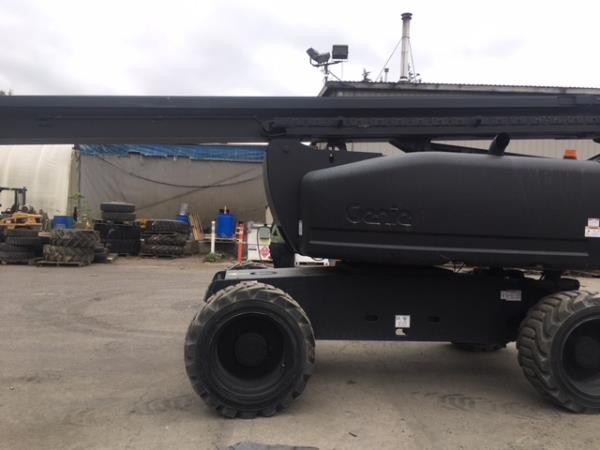
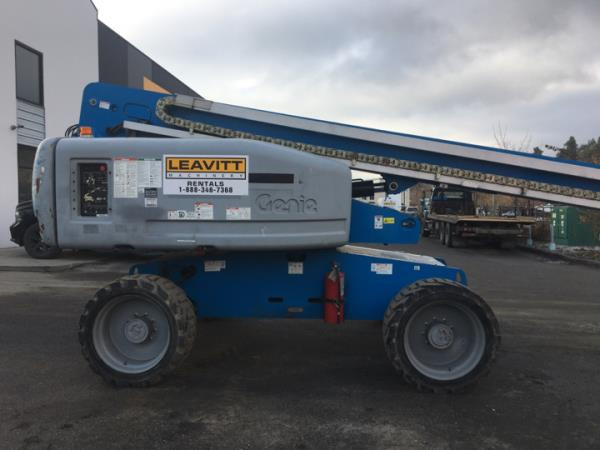
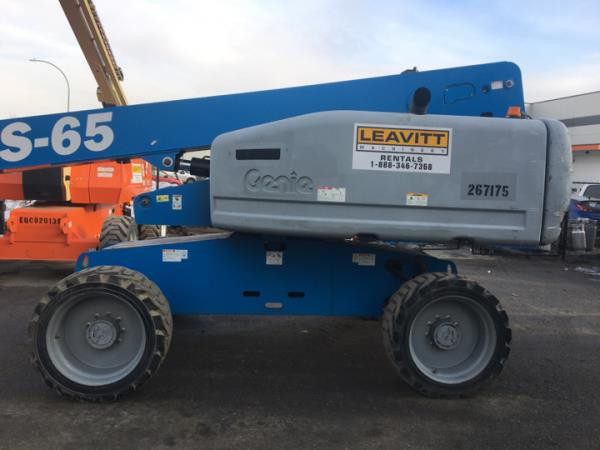
Genie: Used Genie Scissor Lifts Santa Clara - Genie material lifts are well made, sturdy, reliable machinery which could be used for a wide-array of applications, both outdoors and indoors. Dependable, high quality performance can be expected in each of Genie's portable and light weight units. Genie is en economical solution for a lot of work site applications. Genie material lifts can be ready to work in no time because they are set up easily by only one person. All lifts can be set up, transported, and used in a pickup truck or any standard-sized service truck. The telescopic pneumatic hoists designed by Genie offer a light weight, portable, and compact size that make them the perfect for lifting all kinds of loads for installation purposes. To make every equipment meet individual work requirements, many options and accessories are available to you. The first Genie Hoist was launched into the workplace during 1966. This specific machine became so popular due to its portability, uniqueness and effectiveness that Genie continued to develop its product into the diverse array of machinery available on the market these days. The Genie Super Hoist is a really portable telescopic pneumatic hoist that uses compressed air or CO2. This equipment could lift cargo as much as 136 kilograms to heights of 3.8 meters or 113 kilograms to heights of 5.6 meters. The user can complete roughly 80 to 90 lifts on one tank of CO2 or compressed air. A 9 kilogram tank is available as an accessory option but the bottle mounting bracket can fit any common size CO2 bottle. When not in use, the 4.87 meter long hose could be stored around brackets which are under the platform. Genie hoists have a patented pistol-grip control handle where the dump valve and down and up functions are activated. This control handle can clip onto a storage button on the cylinder's side when not being utilized. Genie has been developing and providing products for various kinds of work sites since their introduction during 1966. These types of machinery provide a useful addition to your work site equipment for both indoor and outdoor jobs.
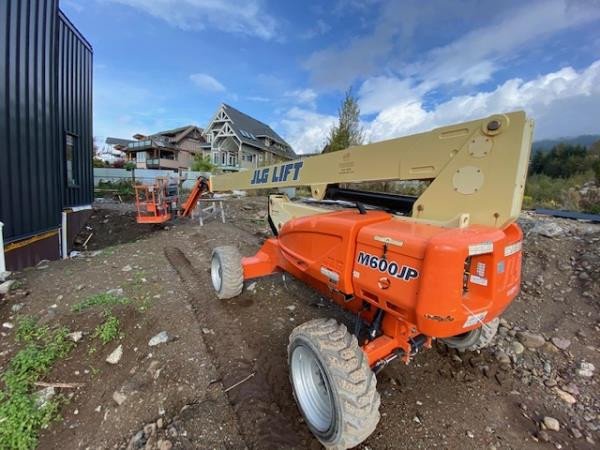
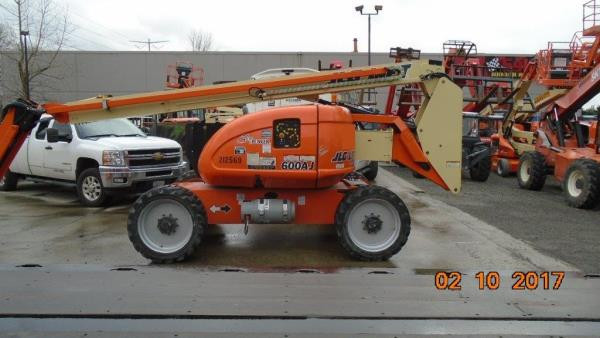
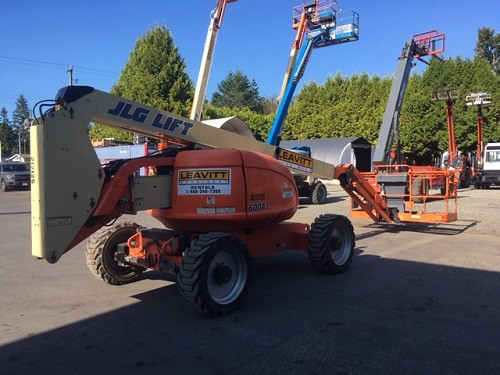
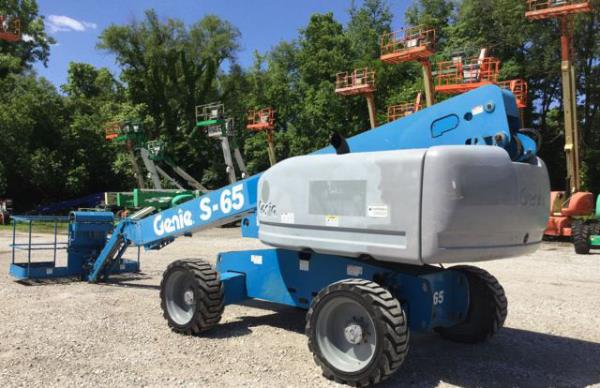
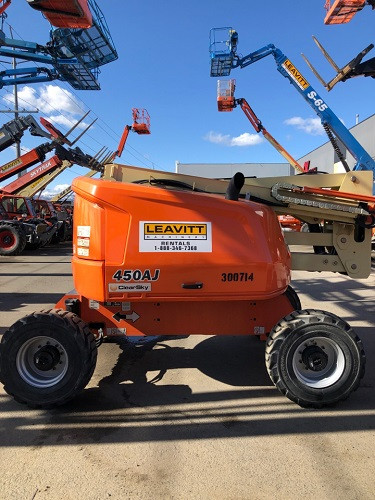
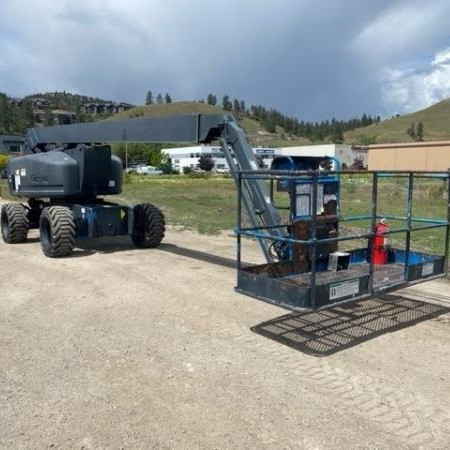
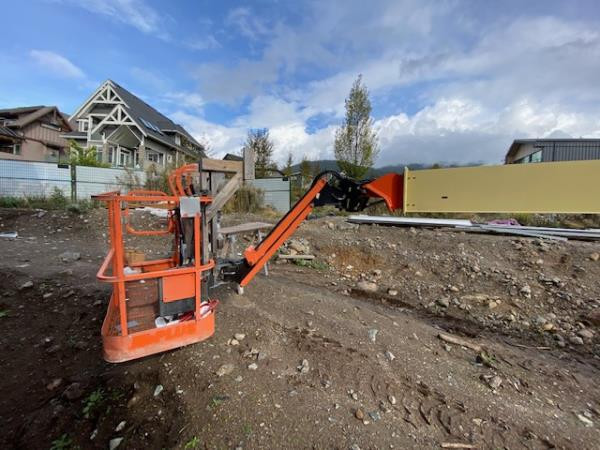
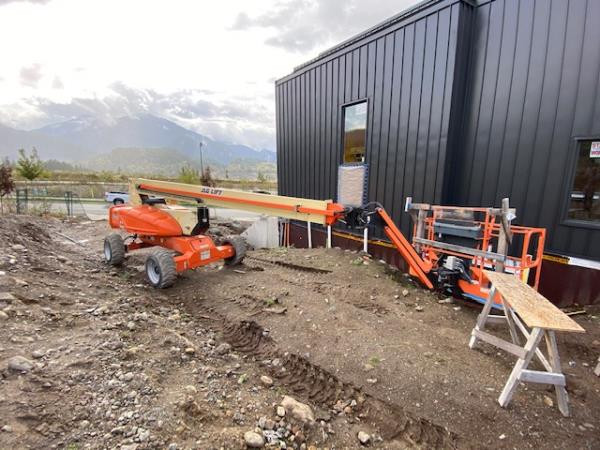
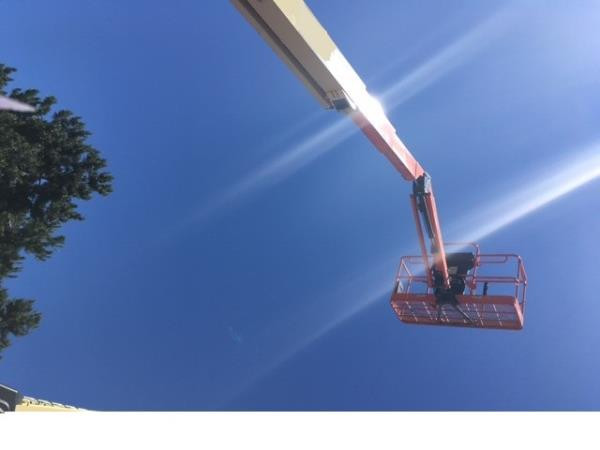
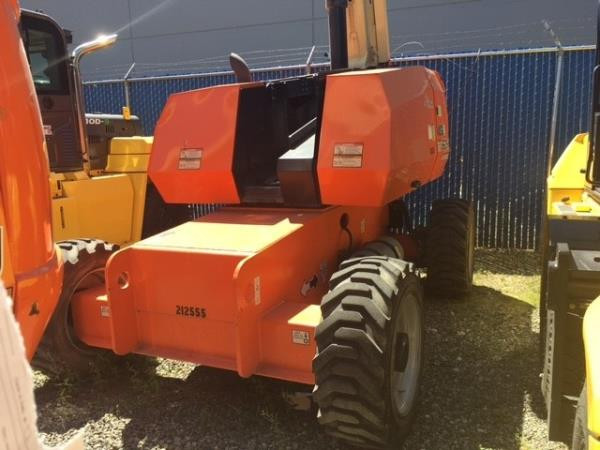
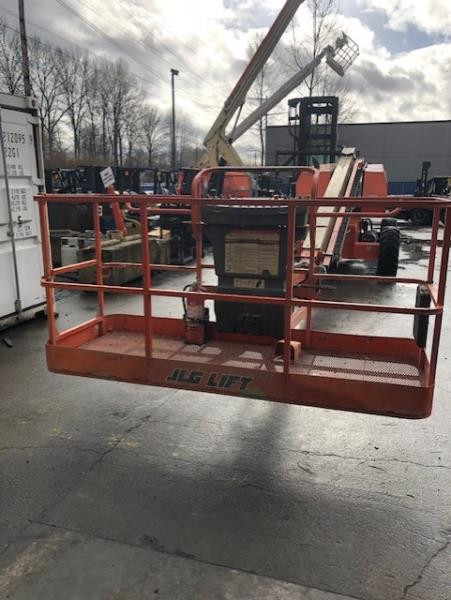
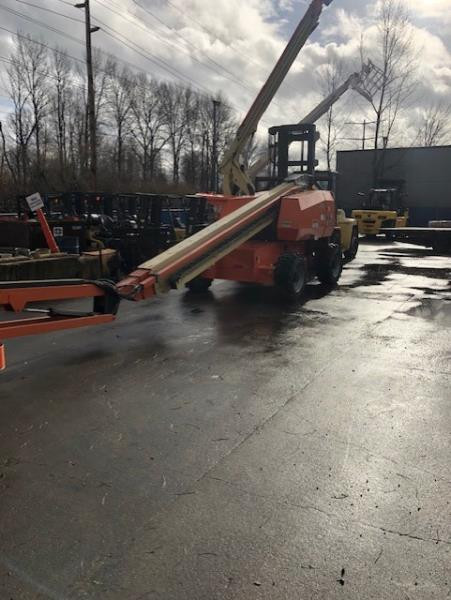
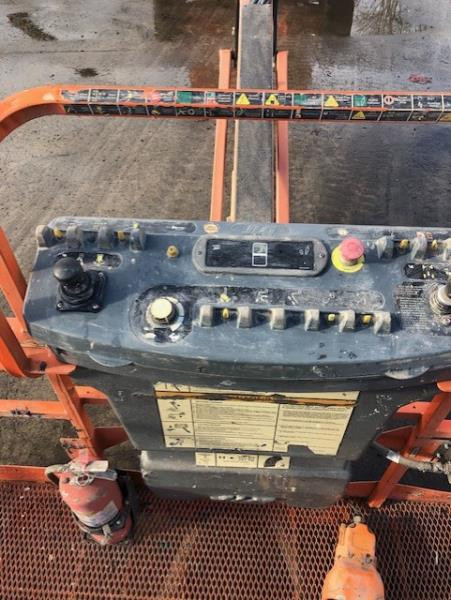
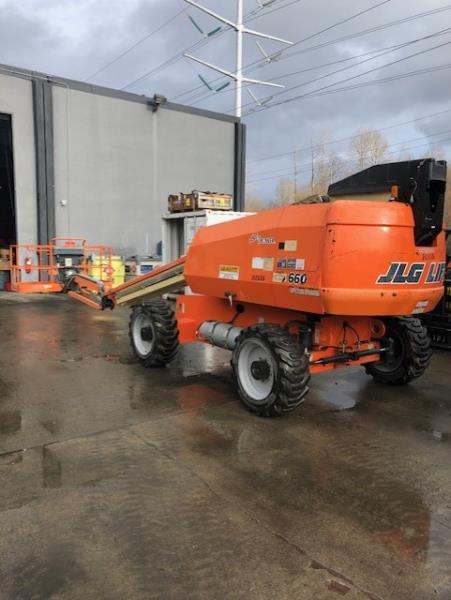
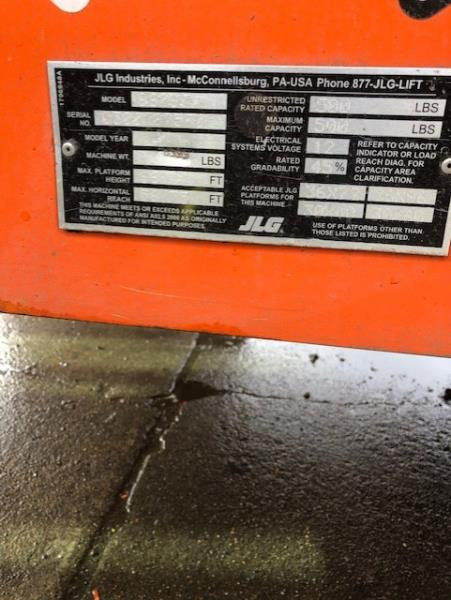
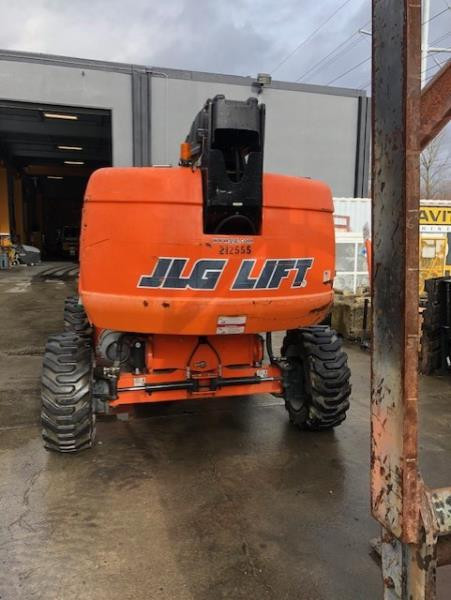
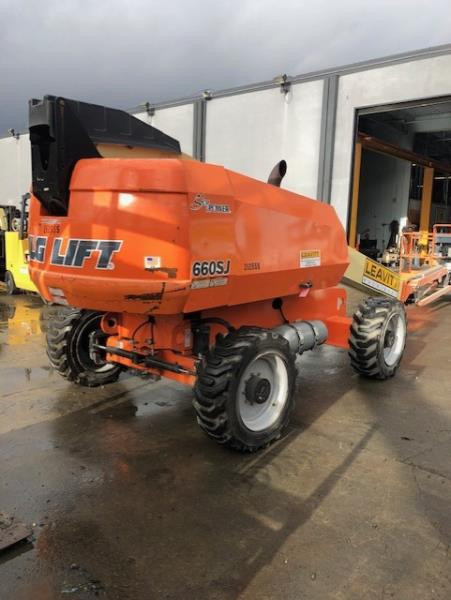
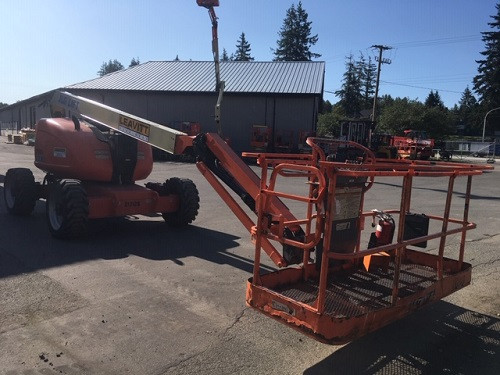
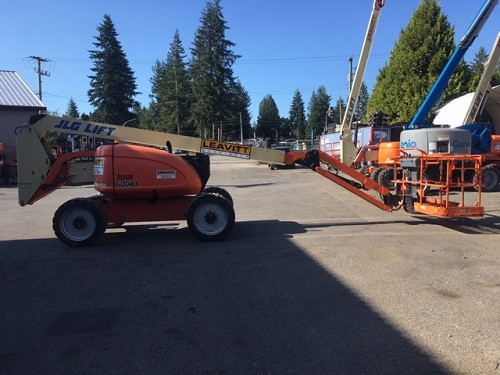
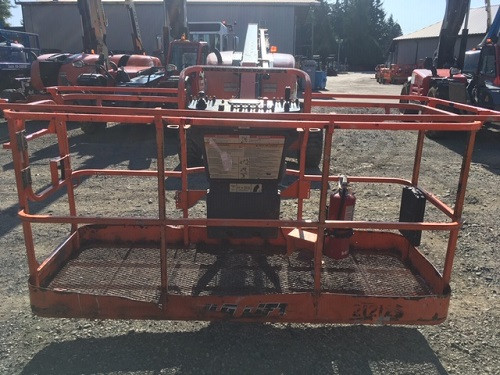
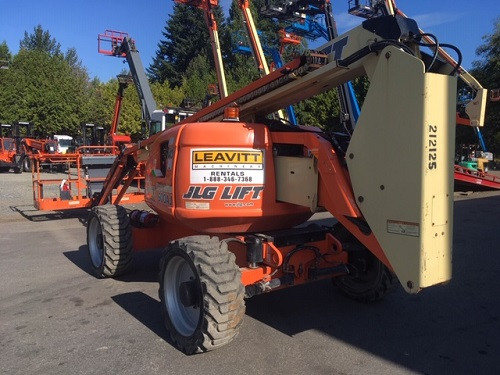
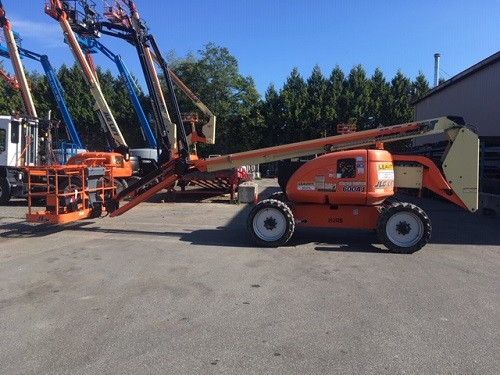
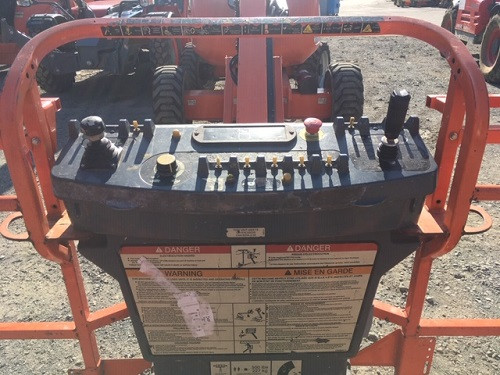
JLG: Used JLG Straight Boom Lifts Santa Clara - JLG provides the 600 Series of articulating booms. These units feature an optional narrow chassis for access to tight places. The 600 Series features the best work envelope within the industry; a horizontal outreach of 12.12 m or 39 feet, 9 inches and 26 feet, 7 inches or 8.1 m up and over height. These machinery provide dual rated capacities of 500 pounds and 1000 pounds as well. Along with a 60 foot platform height, these models would provide you with the strength and the reach capacity you require regardless of what kind of work needs to be completed. The standard oscillating axle and optional 4-wheel drive give you excellent drive and performance on rough terrain. The 3-position switch and optional 4-wheel steer provides unmatched agility in confined areas. The platform controls are improved and have been redesigned in order to give more controlled operation and be smoother for job site efficiency. Raising Safety Standards for Aircraft Maintenance Ideal for working on any size of aircraft, the Model 740AJ offers 22.6 m or 74 feet of height and more than 15 m or 51 feet of outreach. It has many safety features which you require when performing maintenance. The Fall Arrest platform could be included so as to allow you to exit the platform and move a complete 270 degrees around the platform in a radius of 6 feet, and continue to have fall protection whilst doing so. Another feature option is the Soft Touch System. This reduces the risk of any accidental contact and damage in aircraft maintenance. This optional package offers a suspended padded rail that surrounds the platform basket. There are proximity sensors which de-activate platform movement functions and if the basket comes too near the aircraft surface, the operator is warned. Advantages The articulating jib allows for more access and precise positioning to all external surfaces on any aircraft. This kind of jib can be utilized in both controlled and uncontrolled places due to steady winds, 90 mph gusts and jet blast standards of 80 mph. An on-board air compressor option allows for pneumatic-powered hand tools to be utilized. When performing maintenance outside of the platform, the Fall Arrest adds safety. In order to make the operator as safe as possible, while also increasing the machines overall efficiency, JLG has made many great feature options.
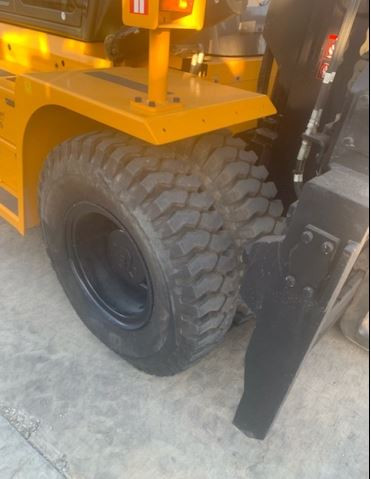
TCM: Used TCM Pneumatic Tire Forklifts Santa Clara - When it comes to maintaining the forklift, it could be easy to overlook the simple yet essential tire. If you choose the wrong tire, you could end up accidentally with a huge increase in fleet operating expenses, or increased safety risks, which is worse yet. If however, you select correct tire you could enjoy improved safety, substantial cost-savings and an overall more effective operation. A correctly chosen tire could really reduce the downtime for replacement and potentially last 40% longer. The forklift tire is a somewhat complex component of the machine. It is therefore, easy to pick the wrong type accidentally. There are a lot of different types of tires and brands, with different treads and compounds. This means you should be totally prepared with the right information when you are purchasing tires so that you could decide on some durable and safe alternatives to help prolong the life of your forklift. The particular kind of tire chosen for a lift truck depends on the kind of surface you would be using the machine on. Like for instance, indoor applications and smooth surfaces generally utilize tires which are made from rubber and that are smaller in size. On the other hand, outdoor operations need pneumatic tires. Pneumatic tires are filled with compressed air and have a rubber tread. These characteristics give them a great grip on uneven and rough surfaces. Lift Truck Tire Safety Each year, 200 individuals are killed in lift truck or forklift related accidents each year. Ensuring forklift safety, like proper inspection practices, could all contribute in to preventing these dangerous and horrible mishaps from occurring. Pre-Work Inspection Before every shift, the lift truck's tires need to be checked. Ideally, they should have the proper air pressure, as set forth by the manufacturer. This is very vital because if the tire pressure is too low, the machinery could accidentally tip over when a load is being lifted. Types The tires used on indoor lift trucks will be made out of solid rubber. Other Considerations The Occupational Health and Safety Administration or OSHA require that lift trucks utilized on a continual basis need to be inspected at the completion of each and every shift. The operator must inspect the equipment for any mechanical issues and the tires have to be checked for excessive wear, cuts or apparent tire damage. Any problems that are detected should be dealt with as soon as possible to maintain safety.
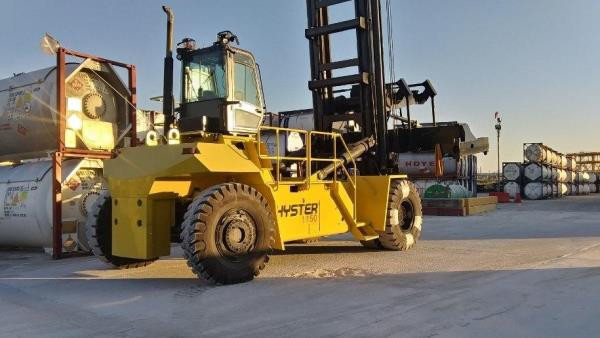
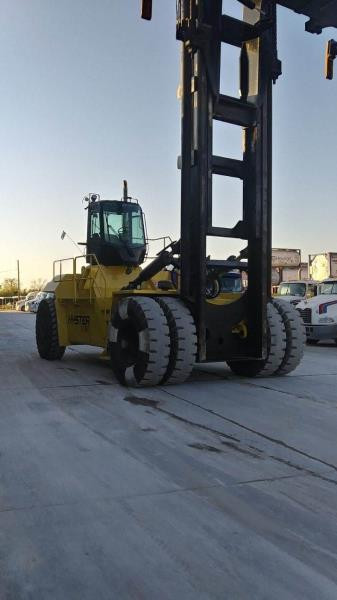
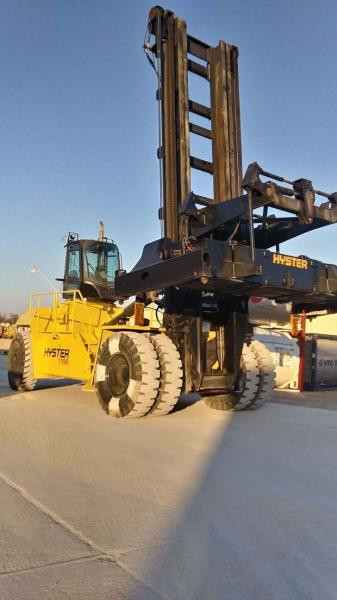
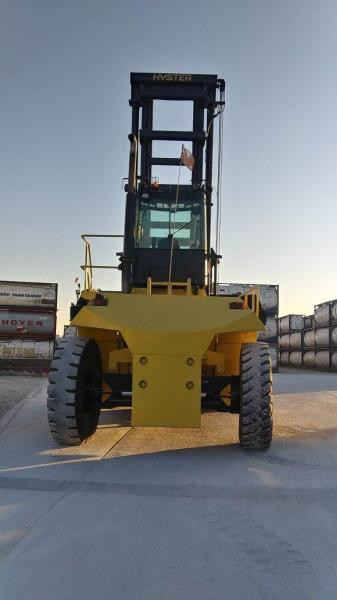
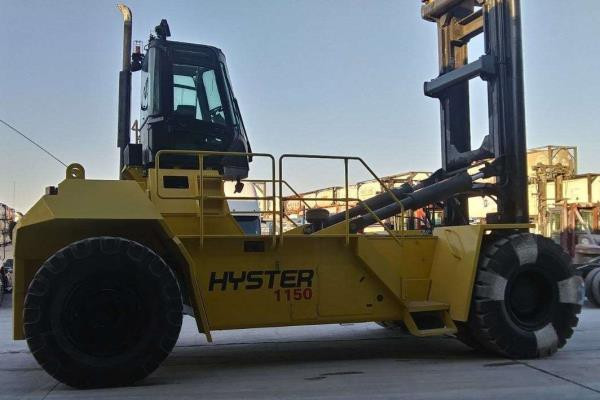
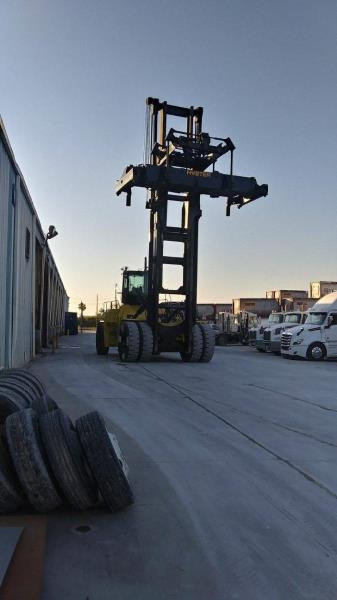
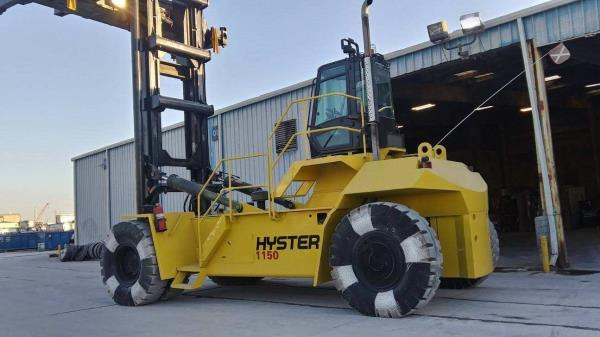
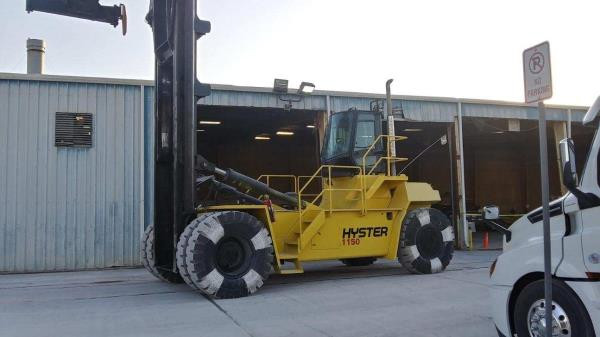
Hyster: Used Hyster Lifts Santa Clara - The Hyster Company is a large group that prides itself in taking a serious approach to design and engineering processes, deal with supply chain and manufacture great products. Hyster facilitates these economies of scale in order to achieve and maintain consistent excellence. The company also works hard to retain their flexibility in order to modify their products and solutions. At the same time, regional market needs are in line with the flex production capacity. In order to share features and modular components, Hyster products are manufactured in "families". A huge range of possible configurations allow us to match a huge array of specific end-user needs. These are some of the reasons why Hyster Company has catapulted to their range of success. Hyster has 13 production sites throughout the globe. The same uniform processes and state-of-the-art manufacturing techniques are implemented at each site. This is the way the corporation could guarantee the expertise drive and continuous improvements along with the best practices and delivered quality are maintained as part of worldwide production competence. The companies global procurement and quality management work together to help leverage their relationships and buying power with their overseas specialist suppliers. This is the best way to acquire the best parts and materials for Hyster products. Hyster has gained excellent expertise and advantages in addition to resources from their global production group. The 11 locations throughout the world could produce quality parts in addition to assemble a range of complete trucks suitable for the different world markets. By utilizing their world-wide capacity, NACCO Materials Handling Group, Inc. can make products mainly in the region of scale. Because each Hyster site is ISO quality certified they employ world class manufacturing technology and state-of-the-art processes, including Demand Flow Technology. Nearly all of the company's manufacturing sites are complete with product support units, and house expert testing, design and engineering processes. Hyster takes great pride in delivering excellent products in order to meet the requirements of their diverse customer base. By maintaining excellent customer service and customer rapport and paying such extreme attention to detail, Hyster has built a solid reputation within the material handling business. Their equipment are made to last and to endure the harsh environments and the elements they commonly work in.
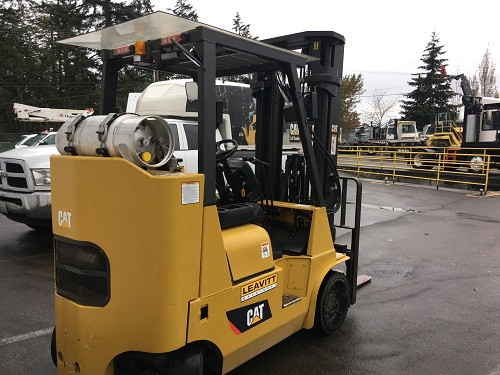
Caterpillar: Used Caterpillar High Capacity Forklifts Santa Clara - Forklift Motors Purchasing a forklift is not to be taken lightly. A forklift is a large capital expense, and a complex equipment with a motor strong enough to perform heavy-lifting tasks. The price tag for a forklift varies from $10,000 to $30,000, comparable to the cost of a small truck. If purchasing a used forklift, be certain to have it inspected for possible mechanical issues. There are two various kinds of forklift motor: internal combustion or electric. Forklifts with electric motors are normally more expensive than forklifts with internal combustion motors. The motor size should suit the kind of work for which the forklift would be utilized. A forklift with a large motor costs much more compared to one with a smaller motor. Gasoline or propane powered motors are usually stronger compared to electric motor and are capable of lifting heavier weight. The downside is that gas motors tend to develop issues more often than electric motors. Depending on the price of gas or propane, gas powered forklifts could be more expensive to operate compared to electric powered forklifts. Reputable forklift manufacturers comprise Crown Equipment Corp., Mitsubishi Caterpillar, NACCO Industries and Toyota Industries. Prior to deciding, research the various manufacturers and the availability of parts. Prices, reviews and testimonials could be found on-line.
Daewoo: Used Daewoo Lift Truck Santa Clara - Forklift Safety and Forklift Training: Forklift safety training is the responsibility of the employer. It is in the employer's best interests to spend money on forklift training for all the workers. Improperly used forklifts can cause property damage. Companies can be sued if there are people who are injured. It's really worthwhile to ensure that anybody operating a forklift is correctly trained to do so. The best way to guarantee safe forklift use is to require every employee to go to a forklift training program. The basics of using a forklift should be learned by all the workers. Information concerning safety should be provided in the form of handouts, and posted in posters and warning signs. The following are some important forklift safety and training tips: 1) Each and every employee must be qualified to use a forklift. Never take risks with such large equipment. Forklift training should be taken really seriously. 2) Seat belts should always be utilized by forklift operators. Just because the forklift moves slowly doesn't mean that seat belts can be disregarded. Accidents are less likely to cause personal injuries when seat belts are worn. 3) Establish a system for workers to report instances of damage or mechanical problems. As the employer, you need to create an efficient and effective reporting system that is really easy to figure out. Workers must be trained properly in forklift basics so that they can detect and report issues when they happen. 4) Staff must be trained how to lean away from the turn, and stay in the cab even if there is danger of overturning. Workers must not jump out. That's the best way to prevent serious injury. 5) Staff should be trained regarding the weight capacity limit of the forklift. A major cause of forklift mishaps is related to tip overs caused by lifting too big a load. Staff should really know how much they can carry safely. A tip over can damage the entire forklift. Overloading is the biggest safety mistake a worker can make.
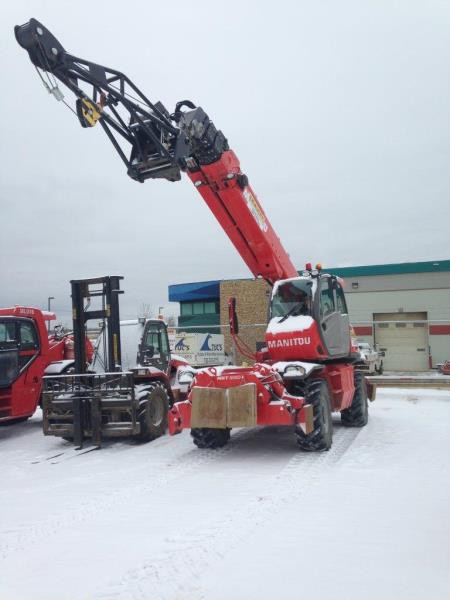
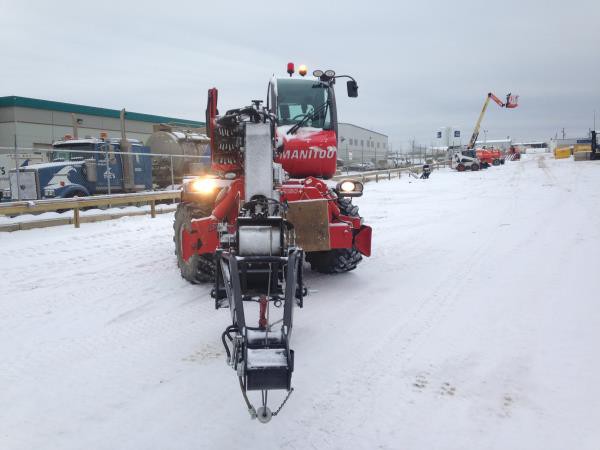
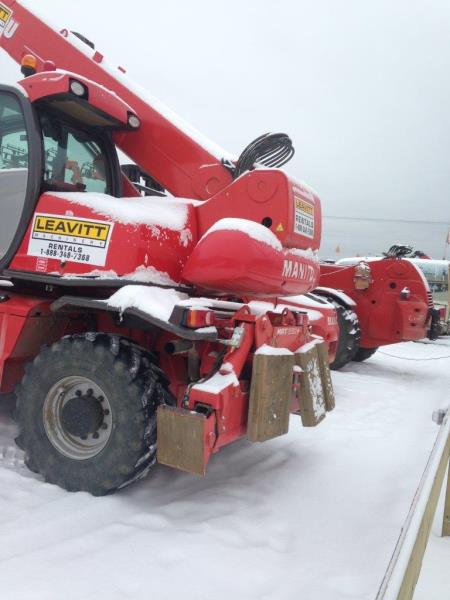
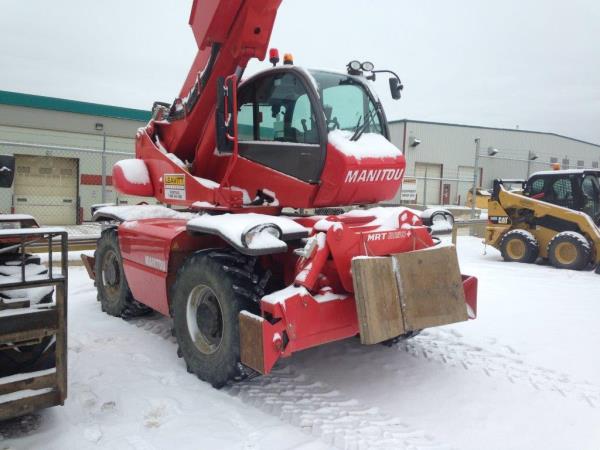
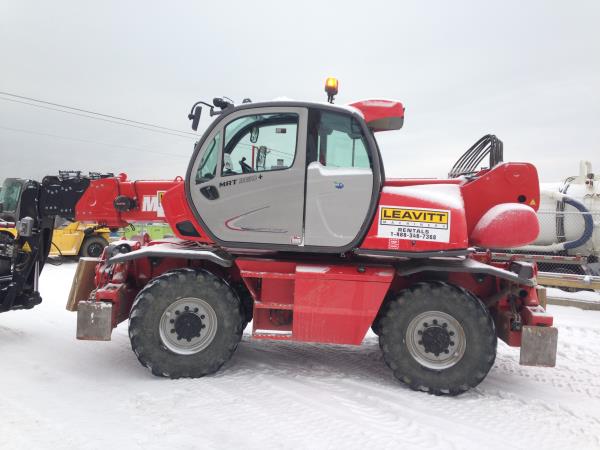
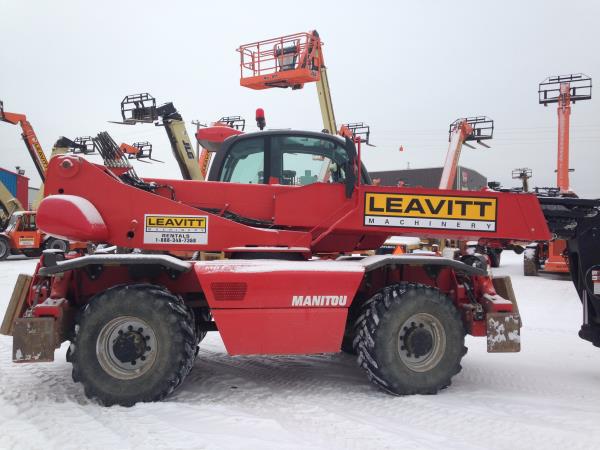
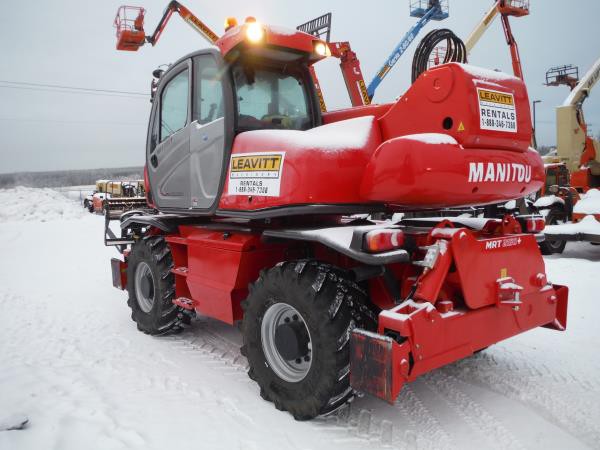
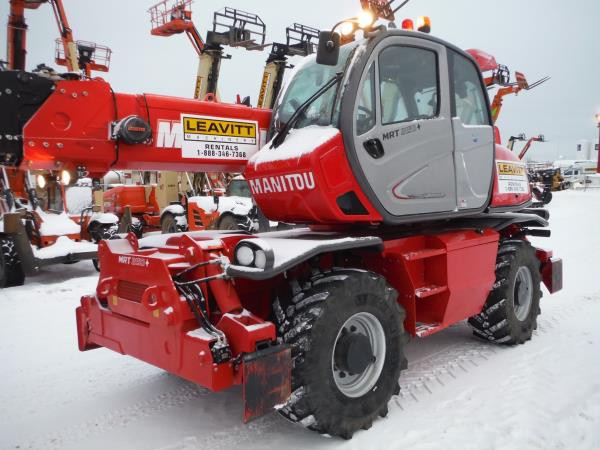
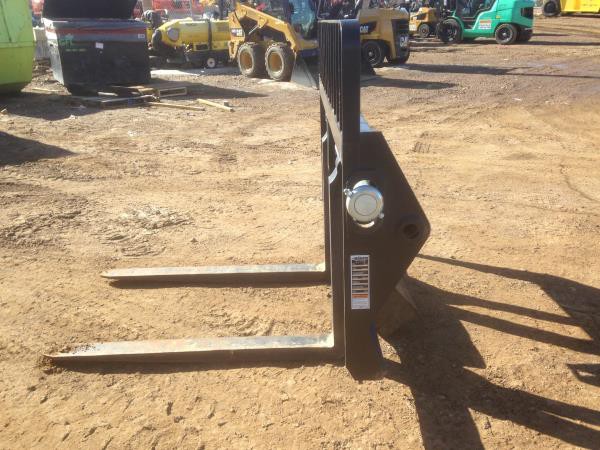
Manitou: Used Manitou LP Forklift Santa Clara - Forklifts are designed to lift and carry cargo on forks which are situated in the front of the carrier. The forks point away from the machinery's cab. Sometimes, the load can obstruct the field of vision of the operator. For this case, lift trucks have rear control steering to allow the model to be driven backwards whilst carrying cargo. The burden of the equipment's load is extensively on the front wheels. The pair of forks stick out from the forklifts front. These forks are capable of being raised and lowered. Furthermore, the forks are capable of being tilted upwards or downwards as per the requirement. The lift trucks movements are the result of hydraulic cylinders that apply pressure on the bar which slackens or pulls the roller chains. Once a lift truck is loaded, the front wheels take on all of the weight. The counterweight on board would balance the forklift's weight. This is really vital or else the machinery will tip over. Why use Propane for Forklifts? The onboard propane tanks are used to hold the propane fuel. These tanks could hold enough propane to run the equipment for around 8 continuous hours. If empty, these tanks can be easily removed and replaced or taken to a facility to be refilled. In the case of CNG-powered forklifts, it is important to consider and note that replenishing CNG consumes more time. LPG or Liquid Propane Gas would run at lower temperatures than CNG. In case of electric-powered forklifts, it is necessary to allow the batteries time to cool down and then to recharge. This process could take roughly 8 to 9 hours. When charged, the batteries last around 3 to 6 hours, depending on how the equipment is used and the heaviness of the loads being handled. Like for example, a 33 lb. steel tank can hold roughly 8 gallons of propane; this amount of fuel must be adequate to finish a task and probably a lot more. To work on various units, there are numerous different fuel sources and forklifts. It is essential to determine the right kind of working environment the machine would be utilized for. This includes things like whether the machine will be utilized for specific outdoor or indoor applications. Once you take time to know the specifics of your particular needs, you will be able to select a forklift that would accomplish its tasks and provide you with maximum effectiveness.
Haulotte: Used Haulotte Scissor Lifts Santa Clara - Scissor Lifts Scissor Lifts are only capable of lifting on a vertical plane and are particularly made for those projects directly overhead. Scissor Lifts are made with a series of crisscrossing linked supports. The pressure must be applied to the outside of the lowest set of supports in order for the unit to elevate into the air. This process extends the crossing pattern which propels the unit vertically. If the machinery is hydraulically or pneumatically powered, lowering of the platform could be done by easily opening a valve in order to release the pressure. There are a variety of scissor lift models. They could differ from indoor models to those types specially made for rough terrain that are better suitable for various construction operations. The rough terrain models are particularly equipped with more dependable and stronger tires which operate by diesel or gas motors. 4 Mechanical Lifts Usually, mechanical lifts are smaller models that utilize rack-and-pinion or screw threads symptoms to raise the platform. The mechanical lifts are limited in the amount of weight they could carry and the heights they could extend to. Mostly, these types of lifts are used for maintenance jobs like for example changing light bulbs and indoor tasks. The first scissor lift was build in the 1970s. The fundamental design is still used, even if many improvements have been made in the materials used and safety features added. This particular machinery became the best option for lots of indoor retail establishments that were beginning to expand their inventory. The scissor lift is like the forklift. The scissor lift has become well-known and sought after for its portability as well as its effectiveness. In addition, the scissor lift provides the only industrial platforms that could be retracted and can fit into the corner of the building.
Jungheinrich: Used Jungheinrich Warehouse Forklift Santa Clara - Environmental Issues Regarding Electric Forklift Batteries Electric forklifts are normally more stable and safer than diesel and gas powered forklifts. Gasoline and diesel engines emit toxic exhaust and pose a risk of fire. Nonetheless, electric forklifts can be dangerous, as well. They have rechargeable batteries as their power source, and batteries can present risks to the environment as well as to personal safety. There are hazards connected with the manufacture, use, storage and disposal of rechargeable batteries for lift trucks. Manufacturing Nearly all lift truck batteries are made by placing lead plates into a solution of sulfuric acid. These are known as lead-acid rechargeable batteries. Lead is toxic which, when utilized in manufacturing processes, poses hazards to water quality because of drainage and runoff. When lead enters a water system it could lead to various kinds of health problems to people and could even lead to death. The sulfuric acid utilized in lift truck batteries is very harmful to skin and can lead to severe burns. Sulfuric acid also produces toxic fumes that can cause damage to both humans and the natural environment. Regular Storage and Use Lead-acid batteries can produce hydrogen gas as a chemical byproduct when recharging. When recharging batteries for a lift truck or any other types of vehicle, flames, heat, smoking and sparks should be kept well away from the recharging site. The combustible hydrogen could cause an explosion if ignited by heat or flame. If it touches the bare skin, sulfuric acid in the batteries could result in chemical burns. This is not an issue during normal use of the battery, but if a battery is damaged or punctured, the acid could spray or leak, potentially burning anybody who is nearby. Disposal Disposing of lead-acid batteries incorrectly should be avoided at all costs. The sulfuric acid could either be neutralized or recycled or could be reused in new batteries. To prevent the serious environmental consequences of incorrect disposal, all lead-acid batteries sold or bought within the United States include a "core charge" which will only be returned if the used battery is turned in.
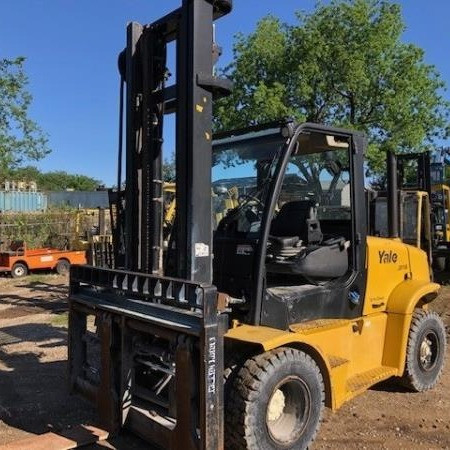
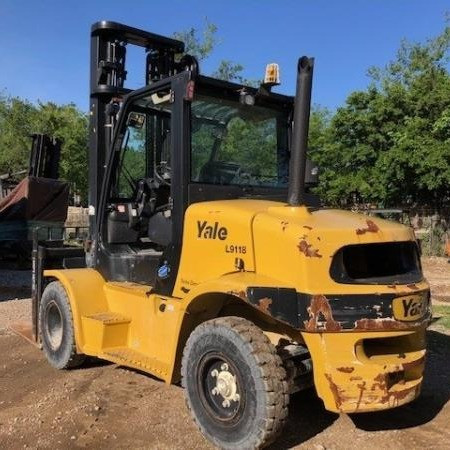
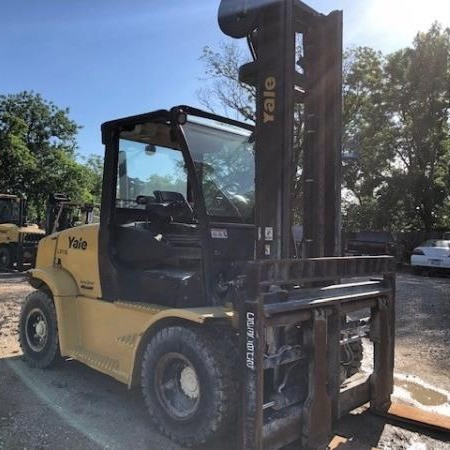
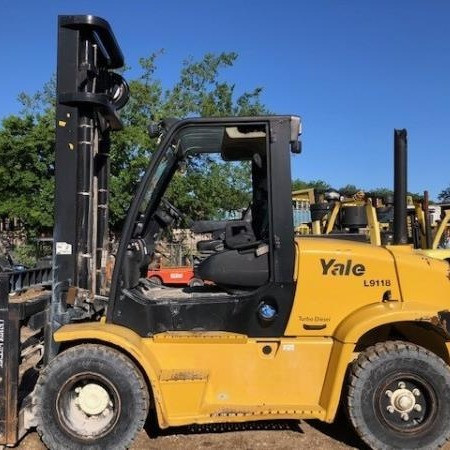
Yale: Used Yale Counterbalance Forklifts Santa Clara - Counterbalanced Trucks: The sit down forklift is a rider truck known as a counterbalanced lift truck. The counterbalance forklift has been manufactured in electric and internal combustion units. The lift truck is an important machine in most distribution centers and warehouses and are typically capable of lifting anywhere from 2500 to 12,000 lb. range depending on the specific unit. Counterbalanced trucks are able to lift cargo to heights of over 20 feet, depending upon the truck's model and weight. Yale is one of North America's biggest producers of zero emission electric lift truck and is amongst the very first producers to adopt the energy efficient AC motor and control technology. The company's continued pursuit of improved energy efficiency is affirmed by competitive testing. This testing proves that the company's 5000 pound electric rider product provides the best energy used per load moved or overall energy efficiency of any lift truck in its class within North America. The spark-ignited models manufactured by Yale already meet or surpass the industry standard requirements. Yale trucks have been rated among the lowest in exhaust emissions by EPA and CEPA testing reviews. Their diesels are becoming cleaner all the time as a result of ongoing development with diesel engine suppliers so as to meet Tier III standards. These machines proactively meet upcoming Tier IV standards too. Yale has also engineered their Internal Combustion products for extended service intervals in order to reduce changes in oil and lessening consumption of this nonrenewable energy source for their clients. The company has developed and introduced an electronically controlled and innovative transmission that really lessens brake and tire wear from their ICE lift truck customers. When it comes to their electric trucks, the company has introduced a system which recaptures energy into the truck during braking and during the lowering of cargo. This energy is then reused, lessening the truck's overall energy consumption. Yale takes pride in lessening non-productive energy use throughout the vehicle by means of hydraulic system efficiency, weight reduction and drive train components, patent pending.
Skyjack: Used Skyjack Rough Terrain Scissor Lifts Santa Clara - Rough Terrain Scissor Lifts Mid-Size SJ 7127 Skyjacks SJ 7127 model scissor lift offers solid design elements which could meet all the demands at each jobsite. The machine provides a working height of 33 feet along with a weight capacity of 1500 lbs. This particular unit features a roll out extension deck of 4.5'. This adds to the existing generous platform size, providing a total combined platform space of 75 square feet. Full-Size SJ 8831 Skyjack's full-size SJ 8831 model provides a big platform combined with heavy-duty capacity, making a complete package. It showcases Skyjack's efficient and reliable design elements in order to meet the requirements of the hardest work site environments. The SJ 8831 provides a fuel efficient GM 1.6L Vortec duel fuel engine. This results in 30 percent gradeability while powering Skyjack's 4-wheel drive robust axle system. Full-Size SJ 9250 The SJ 9250 model manufactured by Skyjack provides an extremely huge platform, phenomenal work height and heavy-duty capacity. These combined elements rely on a fuel efficient GM 1.6L Vortec duel fuel engine which powers the wide axle based four-wheel-drive program and also offers 30% gradeability similar to other units. Compact SJ 6826RT Skyjack's SJ 6826 RT edition offers great dependability with Skyjacks leading robust and rugged features. This particular model comes outfitted with the ideal traction provided by the exclusive Crossover Symmetrical 4 Wheel Drive. It also features a 50% gradeability that enables this particular model to operate on the most difficult job site terrains. Additionally, this specific model is totally drivable at full height, even with the roll out deck completely extended. For loading tools and materials, the low stowed platform height proves ideal.
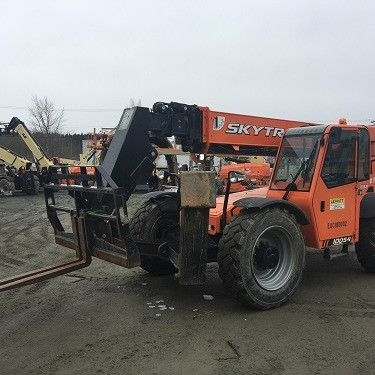
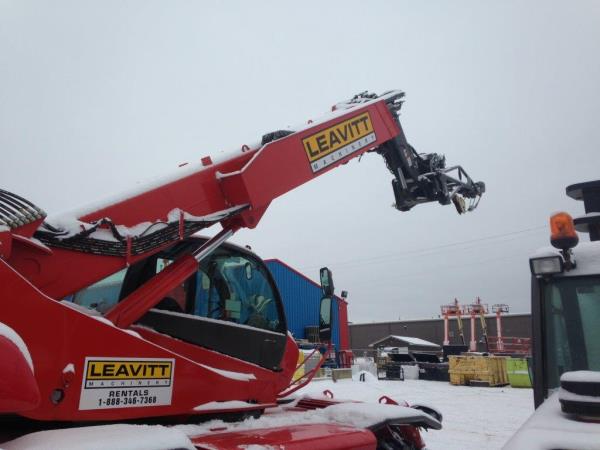
Terex: Used Terex Telehandlers Santa Clara - The compact models of telehandlers manufactured by Genie are an ideal alternative for jobs of both large and small scale. These machines are simple to service, come with various rugged attachment options and are simple to maneuver. Compact telehandlers made by Genie can deal with the requirements of nearly all farming, landscaping, masonry and construction applications. These machines are easy and quick to move and have been renowned for their low stowed height and compact footprint. There are 3 different steering modes available: crab steer, front-wheel and coordinated. There are a lot of interchangeable common parts available for effective maintenance. These machinery have been made and engineered with no-tool access to daily inspection points so as to keep the maintenance easy. The standard auxiliary hydraulic system is also easily tailored so as to accommodate different kinds of attachments. Genie is committed to lifting their customers higher. This philosophy extends well past the physical reaching abilities of their products. The company has established a hugely satisfying customer base because they concentrate on meeting their requirements at every chance. Genie has been proudly making products to solve jobsite challenges since 1966. This research and development process is a continuous part of their being successful and the company strives to become more economical and efficient with every new model. To be able to improve their design process for new products, Genie has built a devoted group of product managers and engineers who rely on input from regular customer feedback. This is how they are able to consistently feature the newest technology so as to adapt to their customer's ever-changing requirements. These new ideas are transformed and manufactured to meet strict standards which help lower your costs, increase quality and offer amazing value for the future. The Genie telehandler is available in three different models that are great for high reach applications and are perfect for securing productivity in a limited-access area. Each and every model is available with a large variety of attachments so as to make certain that you have the essential tools to complete each task. Genie Telehandlers are made to efficiently help you get the job done safely and on time and to last.
MEC: Used MEC Electric Scissor Lifts Santa Clara - Electric Scissor Lifts If your have used an electric scissor lift before, you are perhaps more comfortable in knowing that you will not feel the lift moving or swaying in the wind while you are working. If you are not familiar with the equipment, it is understandable that prior to utilizing the machinery, you may feel uncomfortable. Just remember, if the lifts did not pass different safety tests or were not trusted, they would not be available or sold at all on the market. There are a range of different sizes of electric scissor lifts which could be chosen when you are in the market to purchase one. The model you require depends really on the type of work you are going to be doing. Some models are designed specifically for construction applications and they could take you to extreme heights if you are working on a building. On the other hand, if you need to access different shelves within a factory environment, a smaller model will suffice. If you are not going to utilize it, you do not need to purchase the largest type on the market. The lift is designed to help you succeed and complete your tasks; thus, there is a model that is suitable for each kind of job. An electrical scissor lift has optional railings and a platform for the workers. These structures help ensure the safety of the employees and help make sure that you are not going to feel like you are suddenly going to fall or that the lift can potentially break. These types of equipments are designed to keep you safe and dependable every time. If these machines did not comply with stringent safety standards they would not continue to be sold throughout the world.
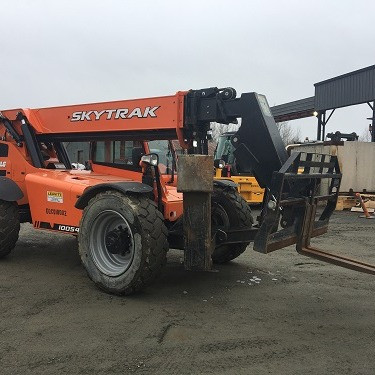
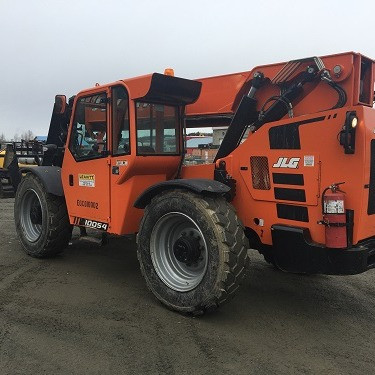
Ingersol Rand: Used Ingersol Rand Rough Terrain Forklift Santa Clara - Even after the rise and explosion of telehandlers on the material handling market, rough terrain forklifts and vertical mast forklifts could be found picking up and moving different items and supplies on jobsites all around the globe. There have been many other conventional lift trucks that lost market share to telehandlers. This occurred particularly when the competition broke onto the construction scene. Since that time, sales numbers have become stable. Vertical-mast forklifts have re-surfaced and seem to be becoming more popular again because of their greater production, lower cost and modification of some telehandler-like features. Straight-mast equipment would finish twice the work that a telehandler will do due to their maneuverability and ground speed. Interestingly enough, rental companies are starting to charge higher rates on straight-mast units. In the rough-terrain lift truck industry, rental purchasers have been having a greater influence. Over 50 percent of all vertical-mast forklifts are now being sold to a rental yard. These purchases are usually driven mainly by use, which is a factor closely followed by acquisition price. The telehandler has become a very common equipment within the material handling industry. Their popularity has given them a super advantage in terms of rental use. Their overall expansion has been moderated by their higher price. There is several lift truck users who feel that telehandlers are not nearly as useful as opposed to conventional rough-terrain forklifts for unloading and loading repetitive jobs. This means that even though competition amongst telehandler marketers has lowered their prices, a lot prefer the RT lift trucks that have been working well for decades. In comparison, the telehandler is a little slower, ganglier to operate and needs a higher level of skillfulness to complete the task. On the upside, they get the reach if they require it. There will always be a place within the business for forklifts however, because there are places that you would not be able to access with a telehandler. The rough-terrain lift truck is small, compact and able to lift a heavier cargo vertically compared to the telehandler. Basically, so as to utilize the right machine for your application, you must determine what jobs exactly you would be completing, the type of environment and conditions you would be operating in and what your load capacity is. These factors would help you decide what the best options available are.
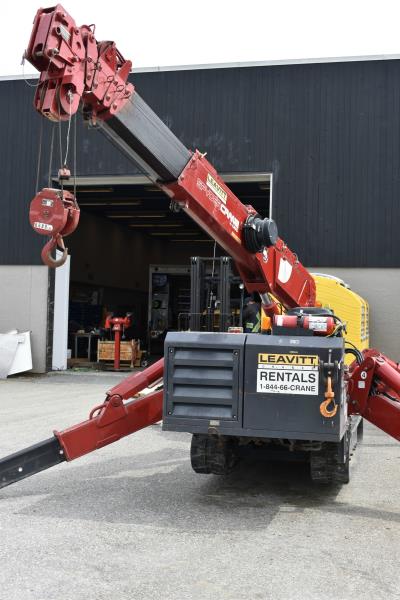
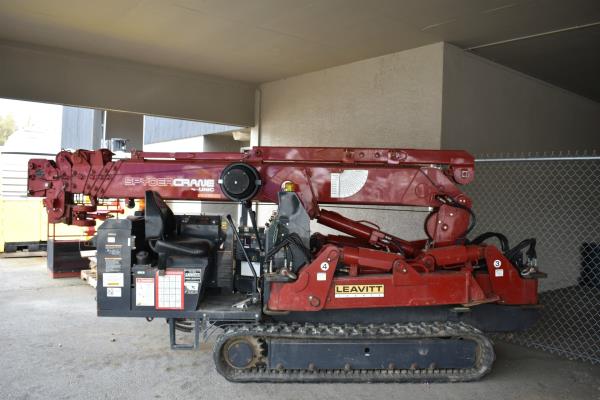
Wolff: Used Wolff Cranes Santa Clara - The Evolution into Hydraulics The start of WWII forced society to become more resourceful overall. Even if the development and design of cranes has changed greatly, in this particular time these equipments progressed significantly. These industrial machines changed the face of the construction business. The first hydraulic crane was built in the year 1946 by crane company F. Taylor & Sons. This first unit was not able to luff or slew and was only utilized by the company. When it joined with Coles during the year 1959, this particular model opened up the doors for a 50 and 42 Series. A Morris W.D. chassis is what the mobile hydraulic crane was initially placed on. Taylor & Sons hydraulic crane operated on a boom powered by a hydraulic pump and cylinders that were lowered and lifted using a hydraulic pump. When the company was not able to use army vehicles as chassis for the machinery, they started production for designing their very own mobile hydraulic cranes. These very first machinery gained a lot of praise and were heralded as amazing machines. They were supposed to be capable of rebuilding all that was destroyed by bombs during the war. The cranes were responsible for helping put together cities, nations and individual houses. Hydraulic systems became designed more and more complicated. The gear and pump systems could be powered while the trucks remained immobile. Businesses such as Hydrauliska Instustri AB made the very first truck loader crane appearance offered on the market. During the year 1952, the A2 crane was introduced. This specific model was a crane mounted on the back of Chevrolet truck. It was complete with hydraulic lifting cylinders and a hooked winch. This loader crane started a huge trend within the industry. A company situated within Bremen, known as Atlas Weyhausen started producing similar versions of this particular machine. Immediately after, cranes were becoming more advanced. Various manufacturers and companies making the winches developed accurate telescopic booms, and the hydraulic pumps were improved and utilizing different materials so as to change the way the crane was developed.
Komatsu: Used Komatsu Diesel Forklift Santa Clara - Lift trucks are used in warehousing, manufacturing, material handling, construction and mining applications to lift, engage and transport palletized loads. Forklifts have 3 basic kinds: a fork truck, manual drive and motorized drive. The load movement or travel is powered manually or by walking at the rear of the equipment with manual-drive forklifts. Motorized-drive model lift trucks are complete with a motorized drive. In many instances, a seat or protected cab is part of the design in order to keep the operator comfortable and safe. Fork trucks are another kind which are motorized and consist of features such as cabs and backup alarms. In order to prevent the equipment from overturning, some forklifts are counterbalanced. Other types of forklifts consist of safety rails, a rotating element like for instance a turntable or different types of hand rails. Essential specifications to take into consideration when choosing lift trucks consist of lift capacity and stroke. Stroke is defined as the difference between the fully-lowered and the fully-raised lift positions. Lift capacity is the supportable, maximum load or forcforce or load. Additional specifications for lift trucks comprise their fuel type and tire. Different fuel options for forklifts include: LP or liquid propane, compressed natural gas or CNG, diesel fuel, propane, natural gas and gasoline. There are 2 basic kinds of tires used for operating fork trucks and forklifts: solid and pneumatic. Solid or cushion tires do not puncture and need less maintenance compared to pneumatic tires. The solid or cushion tires do provide less shock absorption overall. Pneumatic or air-inflated tires on the other hand offer excellent load-cushioning and drive traction. There are 7 classes of lift trucks. The first class of lift trucks, Class I, is either stand-up or seated 3 wheeled units which are electric-motor rider trucks. Usually, rider units are counterbalanced and can have either pneumatic or cushion wheels. Class II lift trucks are electric motor units that are used for order picking or stock applications in narrow aisle environments. These types of forklifts provide extra swing mast or reach functions. Class III forklifts are either standing-rider or walk-behind operated electric-motor trucks. High lift models and automated pallet lift trucks are normally counterbalanced units. Class IV forklifts have cabs and seated controls. These types of forklifts are rider fork trucks with internal combustion or IC engines. Additionally, this class has solid or cushion tires. Class V forklifts are rider fork trucks. They have seated controls and cabs, pneumatic tires and internal combustion or IC engines. Similar to Class IV forklifts, they are typically counterbalanced. Class VI lift trucks are tow tractor lifts which are designed for a sit-down rider. This particular class is supplied with IC or internal combustion or electric engines. Class VII lift trucks are the last classification and consist of rough terrain forklifts, that are normally utilized in agricultural, construction and logging applications. Class VII lift trucks include all personnel carriers and burden carriers.
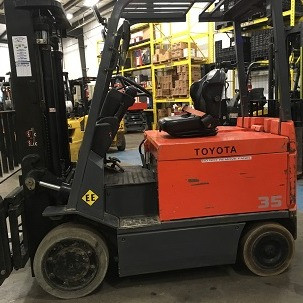
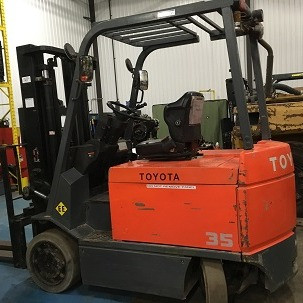
Toyota: Used Toyota IC Forklifts Santa Clara - Electric forklift models make up almost 60 percent of the lift truck market. These models are powered by heavy, large lead-acid batteries that give the equipment it's counterweight so as to prevent it from tipping over. The ITA states that electric counterbalanced lift trucks are considered Class 1 lift trucks. The category of Class1 also includes stand-up counterbalanced forklifts in addition to other electric trucks that are made for general application. Though the first investment when buying an electric forklift is more compared to an internal combustion or IC truck, electric lift trucks are a lot less expensive to operate and run in the long-run. This is because of lower fuel and maintenance expenses, compared to the internal combustion units. In North America, most electric rider forklifts are made for transporting materials indoors. Electric rider forklifts are used most commonly in warehousing applications, and retail spaces. The electric units are the best alternative for inside applications because of their ability to emit zero toxic emissions and make less noise. What's more, electric forklift could usually work a complete 8 hour shift on a single battery charge. Reloading, recharging and removing batteries, which generally weigh about 3000 pounds could be time consuming and difficult. This cumbersome task often needs a dedicated area for handling the battery. Nonetheless, new fast charging technologies are now utilized to change the procedure and update this process to be able to complete it in a a lot faster way. Fast charging technologies are considered the best charging technologies. It has changed electric unit forklifts and the time it takes to charge their batteries. The professionals of the material handling business, state that these new changes within the battery technology and battery charging systems can cut charging time by as much as 50 percent! IC Counterbalanced Lift Trucks IC lift trucks rely on a variety of different kinds of fuels, including liquid propane gas or LPG, diesel, CNG or compressed natural gas and gasoline. The bigger lift trucks are commonly used outside. Normally, these units operate on gas or diesel and uses air-filled or pneumatic tires so as to make them suitable for rough terrain and steep slopes, compared to cushion tires. Cushion tires are better suited for smooth services and indoor applications since they are made from solid rubber. The LPG unit is the most common fuel choice for indoor trucks. Today, there are over 600,000 propane-filled lift trucks operating all around the globe. These models offer various benefits. For instance, forklifts which run on propane fuel maintain 100% constant power during operation. Additionally, these units provide faster ground speeds than other power sources.
Peiner: Used Peiner Cranes Santa Clara - Peiner USA Inc. provides a full array of service for each item in our complete product line. Our services consist of the reliability of factory trained professionals who provide an extensive knowledge for machining, assembly of the Peiner products, hydraulic repair, and production of components and structural parts. We also offer a tour of our facilities when clients request a visit. For more than 28 years, we have been affiliated with SMAG Engineering and Manufacture Group/Peiner. In the last 12 years, the company has been under the name Peiner USA Inc. allowing us to continually offer a prompt response to any requirements and requests made by our customers. For instance, any related request or spare parts for Peiner products are normally quoted back to the customer in the same day of the inquiry. We take pride in continually being able to provide our clients with a quick response. Peiner Grabs The Peiner brand under SMAG has become a global leader for grabs used to help load and unload on seagoing freighters. These grabs are capable of handling bulk items like for instance: coal, agricultural commodities, scrap, gravel, sand, and refuse. The corporation also makes spreaders for lifting containers as well as specialist slewing units used for turning cargo into position. Peiner has a huge range of products to help clients accomplish even the hardest material handling tasks. Peiner has years of experience making trusted and reliable machines. All these abilities give Peiner machine users both top quality equipment and proven technology. Usually, grabs and spreaders are frequently utilized for loading and unloading seagoing cargo in ship terminals and in ports.
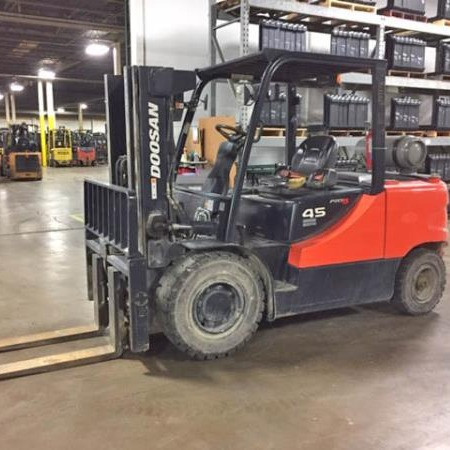
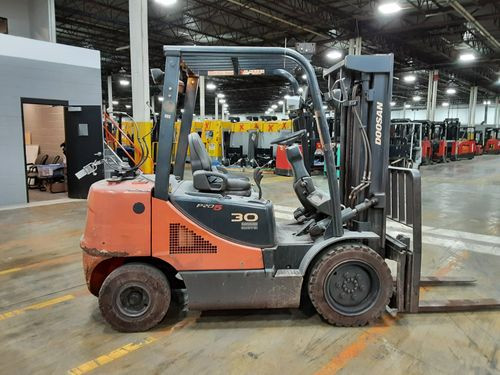
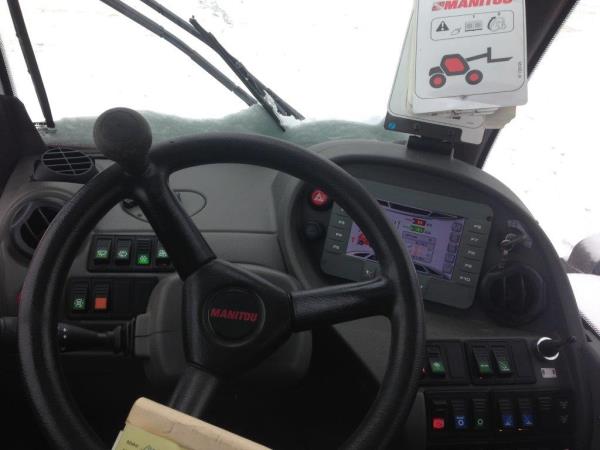
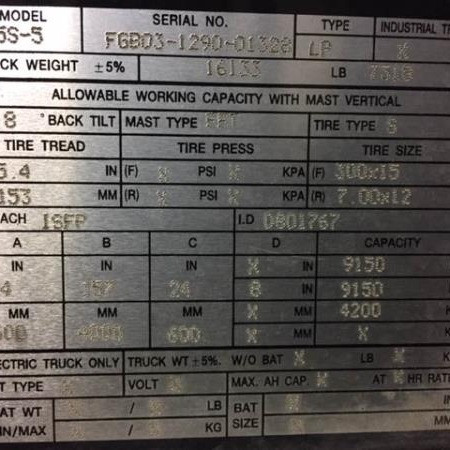
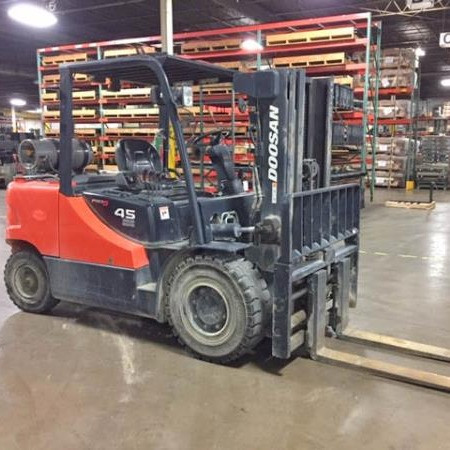
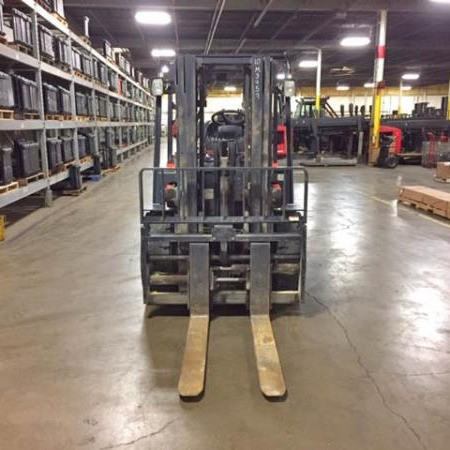
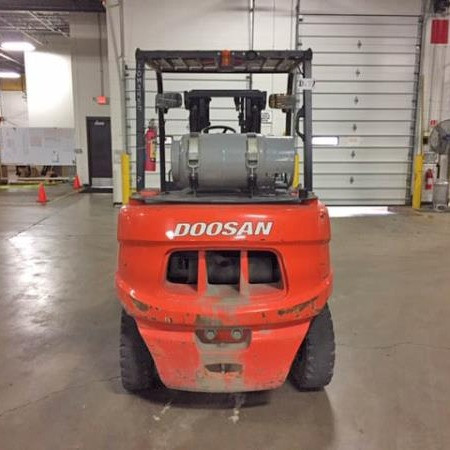
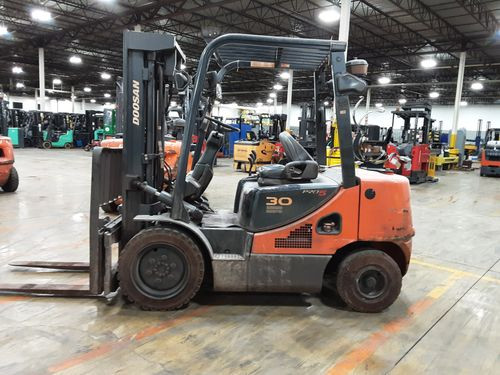
Doosan: Used Doosan Cushion Tire Forklifts Santa Clara - Duties of a Forklift Operator The most common area for lift truck drivers to be employed are in factories and warehouses. Their responsibilities will comprise the lifting and transporting of supplies and goods from one area to another. They should be taught to safely use the forklift controls. Specialized training is a prerequisite. Drivers should have a background check and pass a drug test. Performing Checks HRSDC and OSHA both require lift truck operators to carry out daily and pre-shift checks. Forklift operator training must comprise the proper performance of safety inspections to guarantee optimum functionality. An inspection must also be done at the end of every shift. Regular safety training should be undertaken on a yearly basis. Unloading and Loading The forklift operator is tasked with the job of loading and unloading materials in a safe and timely method. This responsibility also includes the stacking of goods in an organized way so they are accessible. Weighing Supplies Weighing the materials which are to be transported could be part of the forklift operator's duties. Quality Control Forklift operators are in charge of quality control. They must make certain orders are correct and that goods do not sustain damage during transportation inside the warehouse. Safety Awareness A responsible lift truck driver must have excellent skills in attention and awareness to safety. Drivers should exhibit a high level of concern for the safety of employees and pedestrians. The driver must find the safest way to deal with challenges, such as navigating a steep surface with a load. The driver should determine the route that is the safest. An operator's training will involve learning about the elements which could cause a lift truck to tip over. The driver needs to be extremely familiar with the safety ratings and design of the forklift unit which they are using. A forklift operator must be sensitive to the need for breaks to prevent fatigue. Mishaps connected to lift trucks are more likely to happen when a driver is tired.
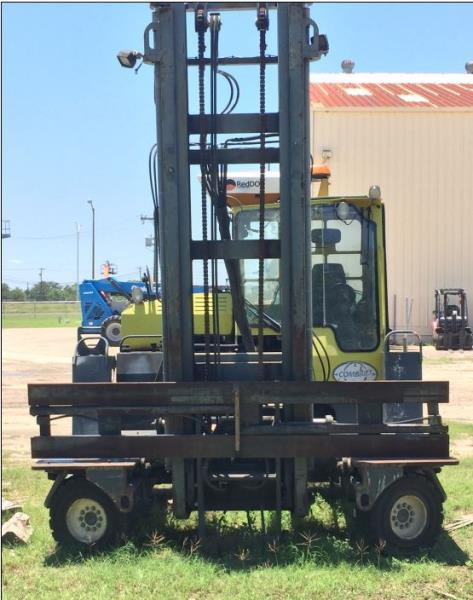
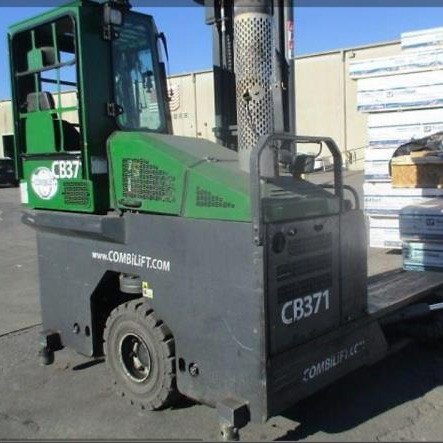
Fantuzzi: Used Fantuzzi Container Forklift Santa Clara - Rail / Intermodal Reach Stacker The Fantuzzi Rail/Intermodal Reach Stackers make light work out of heavy applications. Depending on the job, the distances to the second and first rail drastically vary. These settings determine the capacity, spreader, boom, wheel base and tires among other important factors. Due to our years of practice, we have the machinery which you need ready to go. From high capacity second rail units to negative lifts for Barges, Fantuzzi has what you want. Empty Reach Stacker When the container needs to be rotated or workshop repairs negotiate that doors need to be moved, the Fantuzzi Empty Reach Stacker offers a great solution. These kinds of machines are also often used for rail head operations. Together with empty reach stackers, we also design and make wide range of empty container handling lift trucks. The Medium Forklift Variety Our medium range starts with a 1225 mm load centre and at 18 tonnes. It goes to 1225 mm load center and up to twenty five tonnes. It is at this weight that the heavy range takes over. The massive strength of this variety is excellent flexibility. We have worked closely with many customers over the years so as to make a highly specific design for innumerable trucks to become a part of our international customer service base. Fantuzzi has over 40 years of practice and have dedicated ourselves to continuous research. We have collaborated with clients all over the world and they have been an important part to the production of Fantuzzi medium range fork lifts. Low lifetime costs are a huge feature of the complete Fantuzzi variety. The well thought out and excellent machinery, makes selecting Fantuzzi Container Forklifts a wonderful choice.
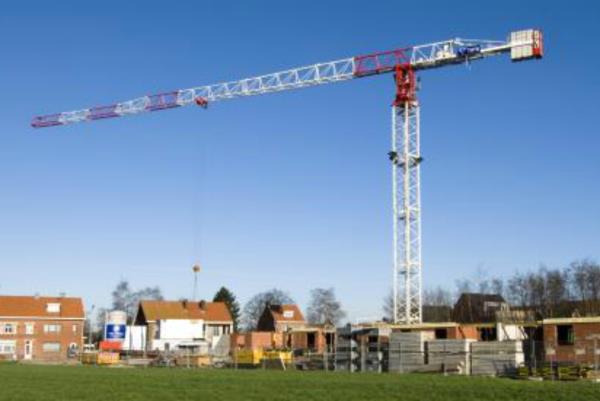
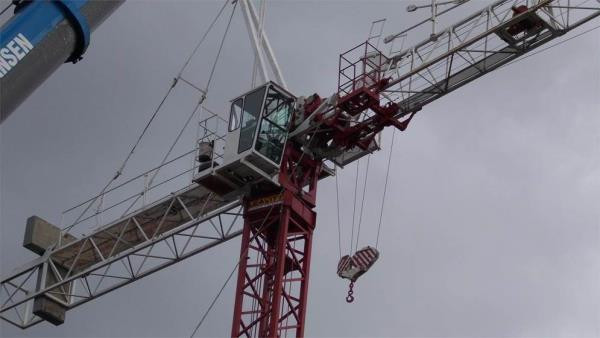
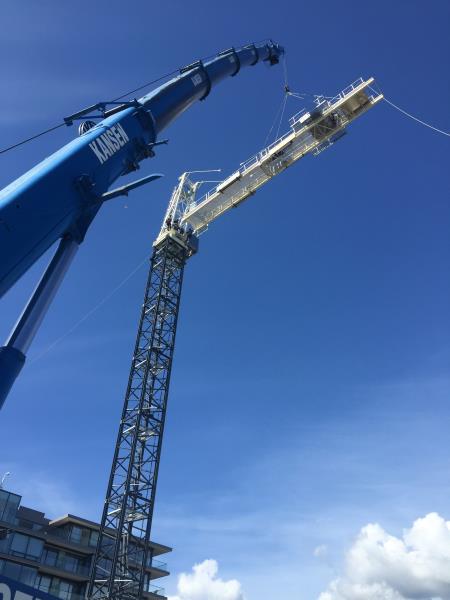
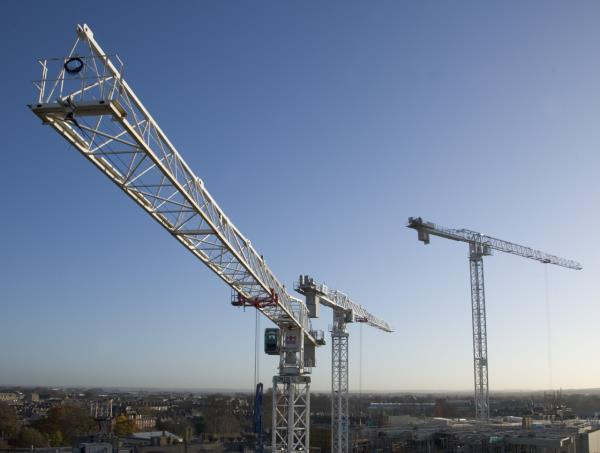
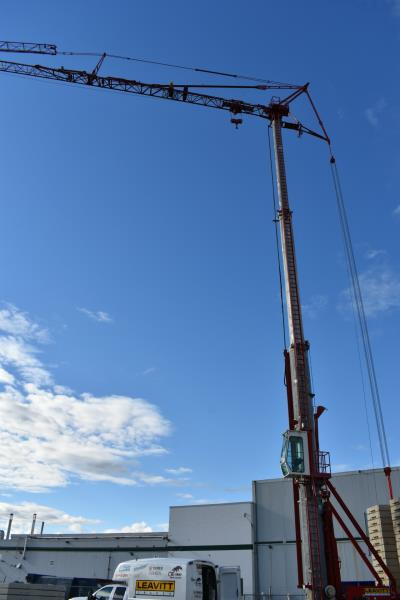
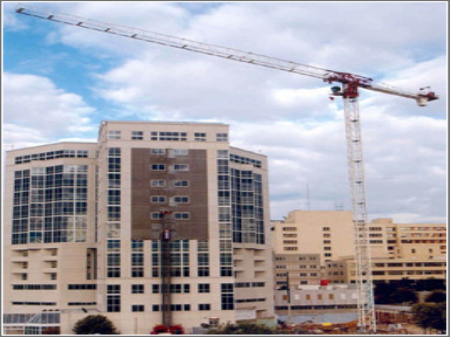
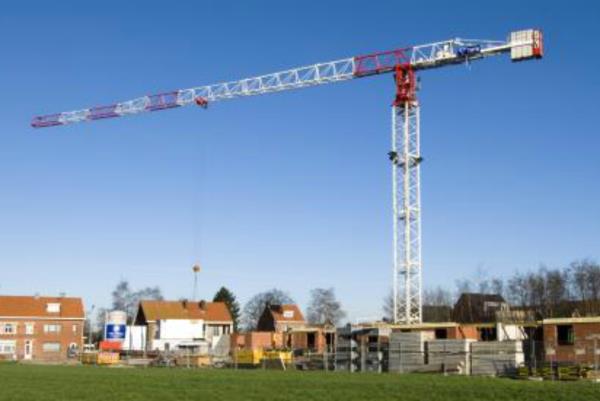
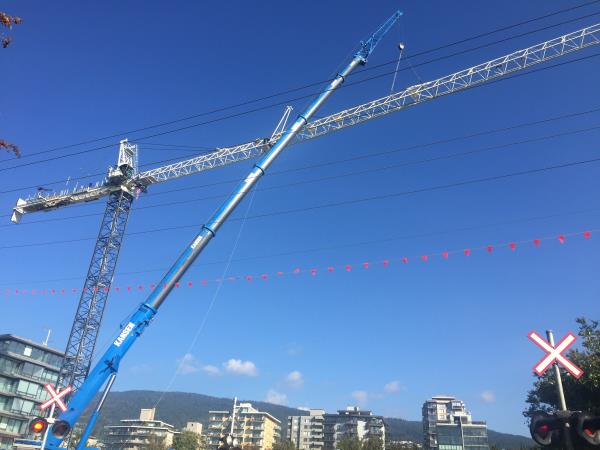
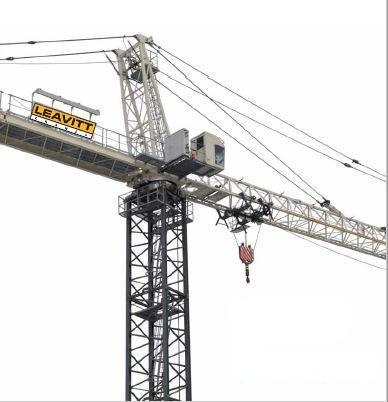
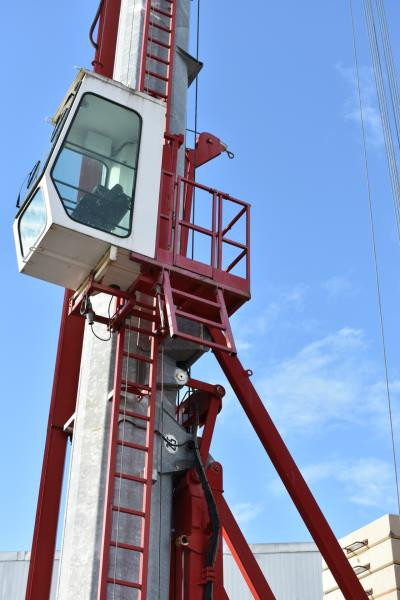
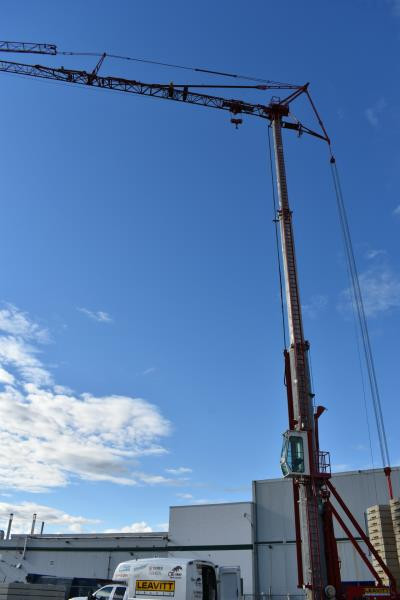
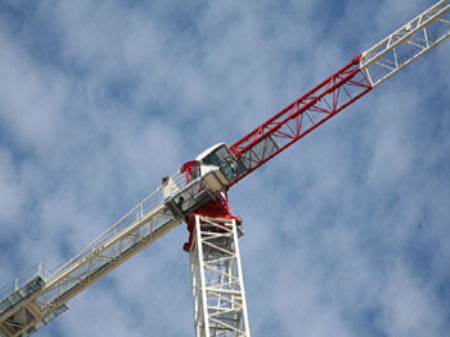
Potain: Used Potain Self Erect Cranes Santa Clara - Tower cranes are being used regularly for big building construction projects. They are necessary for the heavy lifting and positioning of supplies and machinery. Tower cranes provide a different design which offers numerous advantages over more conventional cranes. These advantages comprise: quiet electrical operation, higher vertical lift, reduced space requirements and increased capacities. Hammerhead Crane A hammerhead crane is another configuration that is most typically associated with a tower crane. In this situation, a long horizontal jib is connected to a vertical tower. One end of the jib acts as a counterweight and the other end of the jib extends horizontally over the worksite. There is a trolley on the hammerhead crane. This trolley has the lifting cable and travels along the length of the jib. The tower crane can operate anywhere within the jib's radius. Self-Erecting Tower Cranes Self-erecting cranes are often assembled on location with the assistance of a different crane. This provides a huge advantage in setup time and really saves time in equipment costs too. Self-erecting cranes are normally remote-controlled from the ground, although there are several models that have an operator cab built onto the jib. The self-erecting crane is normally freestanding to allow them the opportunity to be moved around. There are some models that have a telescoping tower that enables the crane to work at multiple heights without the need to reconfigure the tower. Luffing Jib Tower Crane Normally, in urban work settings, there is not enough space or clearance for the jib to rotate freely without being blocked by existing buildings. A luffing jib tower crane is ideal for such confined spaces. Nearly all tower cranes have a fixed horizontal jib. The operator is able to raise or lower a luffing jib in order to enable the crane to swing in a reduced radius.